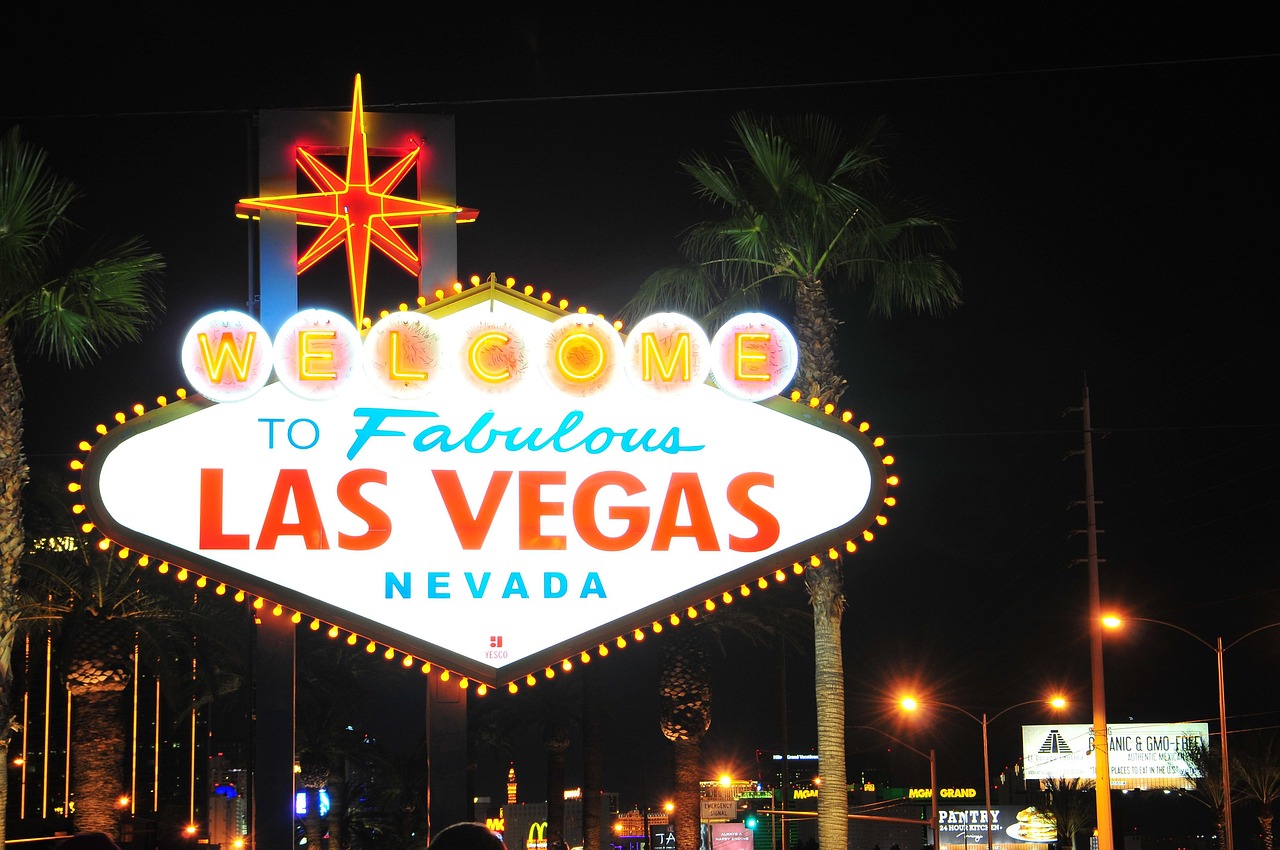


Las Vegas Casinos and F1: Why the Race Controversy is Trending

From F1 Drama to Las Vegas Casinos: Why the Race Season is Heating Up the Strip

Explore our comprehensive guide to the most iconic Las Vegas casinos, where you will find a detailed Table of Contents to help you navigate the best gaming floors, luxury amenities, and jackpot opportunities in the city.

  • Formula 1 is suing Bonanza Gift Shop, which promotes itself as “the world’s largest” gift shop, for selling counterfeit Las Vegas Grand Prix merchandise.
  • The lawsuit seeks $1 million in damages for reputational harm.

Interestingly, the lawsuits involving Formula 1 in Las Vegas aren’t always from small businesses against this global motorsports behemoth. Some of these legal battles see the tables turned.

Racing
Image by artellliii72 from Pixabay

The Las Vegas Grand Prix corporation has filed a lawsuit against Bonanza Gift Shop and its sister store, Crazy Ely, alleging that they sold counterfeit F1 merchandise during the inaugural Las Vegas Grand Prix in 2023.

The allegations include trademark counterfeiting, trademark infringement, and unfair competition.

Bonanza Gift Shop, claiming the title of “world’s largest gift shop,” is located just south of the Strat and boasts a vast array of merchandise. (We’re in the process of validating its claim for a potential “Vegas Myths Busted” feature.)

Peddle to the Metal

Formula 1
Image by Angelo_Giordano from Pixabay

During the race in 2023, Formula 1 deployed investigators to both stores, resulting in the collection of 69 counterfeit items from Crazy Ely. However, by the time investigators arrived at Bonanza, they found no counterfeits left – only empty shelves where the merchandise was likely displayed.

Formula 1 suggests that Bonanza received a heads-up from Crazy Ely about the impending investigation and consequently cleared its shelves. This incident serves as a critical learning opportunity regarding trademark infringement investigations.

Allegations suggest that between June and November 2023, approximately 2,400 counterfeit items were sold by both shops. Formula 1 has indicated it has suffered “irreparable injury” to its reputation and is pursuing a jury trial with potential damages reaching up to $1 million.

In conjunction with this lawsuit, Formula 1 previously filed a suit against E&B Wholesalers in May, alleging they supplied the counterfeit items to the two gift shops, among others.

Key Facts to Note

  • Legal action involves counterfeit claims and trademark violations.
  • Formula 1 seeks a jury trial along with damages of up to $1 million.
  • Bonanza Gift Shop is asserting its position as the “world’s largest gift shop.”
  • More than 2,400 counterfeit items are alleged to have been sold between June and November 2023.

This lawsuit highlights the ongoing battle against counterfeit merchandise in the entertainment world, particularly in areas like Las Vegas, where merchandise sales can be lucrative during major events like the Grand Prix.

In summary, Bonanza Gift Shop’s ongoing legal woes not only impact its business but also shed light on the challenges surrounding trademark rights and the enforcement of intellectual property in large-scale events. As such lawsuits evolve, they inevitably shape the future of merchandising in thriving markets like Las Vegas.

SharpLink Gaming Surges as Strategic Focus Shifts to the High-Growth Betting Affiliate Market

SharpLink Gaming Surges Following $1.5 Billion Repurchase Plan to Fuel Betting Affiliate Growth

Explore our comprehensive guide below, which serves as a roadmap for anyone looking to navigate the lucrative world of a betting affiliate, providing all the essential details you need to succeed in the industry.

  • Shares of giant Ethereum holder soar on news of buyback plan
  • Company says it will repurchase up to $1.5 billion of its common stock

Shares of SharpLink Gaming (NASDAQ: SBET) have surged after the betting affiliate, now a significant Ethereum holder, announced a plan to repurchase up to $1.5 billion of its common equity. This decision, made public recently, has seen the market react positively, with shares gaining more than 12% amid heightened trading volume.

gaming business
Image by ClickerHappy from Pixabay

Co-CEO Joseph Chalom mentioned that if there are times when SharpLink shares are trading at or below the net asset value of its extensive Ethereum stake, it would not make sense to issue new stock to buy more cryptocurrency. Instead, this could be an ideal moment to buy back stock.

“In this scenario, the accretive course of action may be to repurchase our common stock,” Chalom stated in the press release. “This program provides us with the flexibility to act quickly and decisively if those conditions present themselves.”

Given the company’s current market capitalization of around $3.05 billion, this buyback plan represents nearly half of SharpLink’s market cap, making it a substantial strategic move.

Why SharpLink Repurchase Is Meaningful

SharpLink’s significant buyback programme is meaningful as it may lead to the retirement of shares that were used to finance Ethereum purchases. With the company being one of the largest corporate owners of Ethereum, this position was primarily achieved through stock-funded Ether acquisitions.

In the latest financial report, SharpLink disclosed that it raised an impressive $537 million for the week ending August 15, with $390 million gained through a direct equity offering aimed at professional investors. This funding has increased the firm’s Ethereum holding to 740,760 Ether, nearly doubling its Ether concentration over two months.

SharpLink is employing a strategy similar to Michael Saylor’s approach with Bitcoin, where companies leverage their securities to procure Ethereum assets. Issuing new shares has the potential to dilute existing shareholders, which is why the buyback news has boosted SharpLink’s stock value.

The buyback programme aims to enhance market support, optimize capital allocation, and affirm SharpLink’s long-term dedication to increasing sustainable stockholder value.

SharpLink at a Discount?

Companies heavily involved in cryptocurrency often trade at a premium relative to the value of their digital assets. In the current market, however, SharpLink’s stock appears to be trading at a discount compared to its Ethereum holdings, which are valued at over $3.5 billion.

Furthermore, since the announcement of the corporate treasury strategy on June 2, the company’s staking rewards in Ethereum have surged to nearly 1,400 Ether. This highlights the potential for significant returns on investment as blockchain technologies continue to evolve.

A World of Opportunities

As the digital currency landscape expands, SharpLink’s strategic decisions could position the company for remarkable growth. With a focus on repurchasing shares and bolstering its Ethereum portfolio, the company is poised to navigate the fluctuating crypto market more effectively.

For investors eyeing the burgeoning cryptocurrency space, SharpLink Gaming is indeed a name to watch as it continues to leverage its market strategies for long-term success.

In summary: SharpLink Gaming’s announcement of a $1.5 billion repurchase plan for its common stock reflects a strong confidence in its business strategy, particularly as a significant holder of Ethereum. The market’s positive reception and the strategic benefit of retiring shares speak volumes about the company’s potential as it navigates the shifting tides of the cryptocurrency market.

Online Gambling Regulation Update: UK Gambling Commission Fines ProgressPlay £1 Million

ProgressPlay Fined £1 Million: Why Online Gambling Regulation is Tightening for iGaming Operators

Navigating the complexities of the industry begins with a comprehensive guide, starting with our Table of Contents, which provides a structured overview of the essential standards and legal frameworks governing online gambling regulation.

Key Highlights:

  • ProgressPlay faces significant penalties from the UKGC.
  • The UKGC cites violations of anti-money laundering regulations.

Recently, the UK Gambling Commission (UKGC) announced a fine of £1 million (approximately AUD 2 million or USD 1.35 million) against ProgressPlay due to a string of regulatory mishaps. This penalty underscores the ongoing issues within the online gambling sector concerning compliance and regulatory adherence.

Online gambling
Image by besteonlinecasinos from Pixabay
The ProgressPlay convention booth at ICE 2024 in London. (Image: International Casinos Exhibition 2024)

Background on ProgressPlay

ProgressPlay, headquartered in Limassol, Cyprus, operates under a license granted by the UK Gambling Commission. This license permits them to engage in various online gaming activities, including online casinos, remote sports betting, and internet bingo. Although primarily a business-to-business software provider in the iGaming sector, ProgressPlay also runs its own online gaming platforms.

Summary of Regulatory Failings

Following a compliance assessment, the UKGC concluded that ProgressPlay had committed serious infractions, notably in anti-money laundering (AML) and social responsibility domains. This fine marks the second instance where the UKGC has found ProgressPlay non-compliant with critical regulations.

“This case marks the second time ProgressPlay Limited has been subject to enforcement action by the Gambling Commission. Its failure to meet AML obligations, along with the gaps identified in its social responsibility processes, are unacceptable,” stated John Pierce, the director of enforcement and intelligence at UKGC.

Operations and Reach

ProgressPlay manages 18 online gaming domains and acts as a third-party operator for more than a hundred others active in the UK. Their brand portfolio includes sites such as Aced Bet, Push Bet, Bet Steve, Lotto Zone, and UK Slots, along with their white-label platforms like Funky Jackpot and Lucky City.

AML Failures and Their Implications

The UKGC’s report highlighted ProgressPlay’s persistent shortcomings in addressing money laundering concerns. Their investigations revealed that the company neglected to perform appropriate Money Laundering and Terrorist Financing (MLTF) risk assessments and failed to put adequate safeguards in place to mitigate such risks.

Moreover, the UKGC criticized ProgressPlay for not adopting a sufficiently risk-based approach to AML measures and noted repeated failures to verify customers’ sources of funds and their risk profiles as mandated by UK online gambling laws.

Social Responsibility Deficiencies

On the social responsibility front, ProgressPlay has been urged to enhance their monitoring of customer activities, especially concerning potential gambling harms. Investigators identified inadequate intervention protocols, coupled with insufficient training for customer service representatives in handling potential problem gamblers.

Consequences of the Fine

The UKGC’s £1 million fine also entails a requirement for ProgressPlay to undergo an independent audit to ensure compliance with outlined regulatory commitments moving forward. This audit will be at the company’s expense and is meant to address the shortcomings identified during the investigation.

“Operators should be in no doubt: repeated regulatory breaches will result in increasingly severe enforcement action. We urge all operators to examine the failings identified in this case and take proactive steps to strengthen their own systems and controls,” Pierce added.

Historical Fines and Regulatory Landscape

The recent fine against ProgressPlay is not an isolated incident. Earlier in May 2022, the company settled for £175,718, again for similar regulatory failures. Notably, the largest fine imposed by the UKGC was a staggering £19.2 million against William Hill in 2023, stemming from severe AML and social responsibility failures.

The UK Gambling Commission has continuously emphasized the importance of responsible gambling practices and the necessity for operators to actively engage in protecting consumers from gambling-related harm.

In conclusion, the £1 million fine reflects the stringent regulatory environment facing online gambling operators in the UK and serves as a crucial reminder that compliance is not merely a suggestion but a fundamental requirement for continuing operations within the industry.

Summary: ProgressPlay has been fined £1 million by the UK Gambling Commission for multiple regulatory shortcomings, particularly in anti-money laundering practices and social responsibility obligations. This situation exemplifies the growing scrutiny of the online gaming sector and emphasizes the critical need for operators to adhere strictly to regulatory standards to ensure consumer safety and compliance.

How DraftKings Prediction Markets Could Change the Sports Betting Landscape Compared to FanDuel, Says Analyst

How DraftKings’ New Sports Betting Prediction Markets May Differ From FanDuel, Says Analyst

Explore our comprehensive guide to sports betting, featuring a detailed table of contents to help you navigate everything from odds analysis to the best wagering strategies.

  • DraftKings’ approach to prediction markets could be different from FanDuel’s, according to analysts.
  • Higher costs may be incurred, yet this could yield greater rewards for DraftKings.

As news circulates about Flutter Entertainment’s (NYSE: FLUT) FanDuel partnering with CME Group (NASDAQ: CME) to introduce financial event contracts, industry experts are speculating how DraftKings – FanDuel’s closest competitor – will respond.

Sports betting
Image by clarencealford from Pixabay

In a new report, Jefferies analyst David Katz discusses how DraftKings may react differently to FanDuel’s strategic manoeuvre. He suggests that like FanDuel, DraftKings is likely to proceed “strategically” when venturing into prediction markets.

Katz notes that operators in the US need designated contract market (DCM) and futures commission merchant (FCM) permits from the Consumer Federal Trade Commission (CFTC). FanDuel avoided a potentially drawn-out regulatory process by teaming up with CME, which already holds these approvals.

“Sources within the industry note that Flutter’s partnership with CME Group appears well-planned, as it avoids the cost of acquiring a DCM, leverages CME’s solid reputation, sidesteps legal issues associated with similar firms, and remains under the radar of state gaming regulators regarding sports contracts,” notes Katz.

DraftKings May Take an Alternative Approach

It is posited that DraftKings might adopt a different methodology for entering the prediction markets, as it has been reported that the company has sought filings with the National Futures Association (NFA). Such filings suggest it could pursue DCM and FCM permits independently, although this approach comes with both perks and drawbacks.

Katz states: “We note that DKNG’s attempt to secure DCM and FCM licenses might be a costlier route compared to Flutter’s choice. Nonetheless, it would enable DraftKings to retain more of the platform’s economic benefits.”

Additionally, DraftKings may consider acquisitions as a pathway into the prediction markets sub-sector. Recent reports indicated that discussions occurred regarding a potential acquisition of Railbird, a privately held prediction market firm holding a DCM license. However, no advancements have emerged from these discussions as of yet.

DraftKings has a track record of leveraging acquisitions to enter new markets, evidenced by its purchases of companies like Jackpocket and Simplebet.

Importance of Prediction Markets and Potential Risks

With companies like Kalshi and Polymarket capitalizing on football season for more sporting event contracts, traditional sportsbooks may find themselves compelled to join the prediction markets fray. Katz remarks that it is a compelling space, yet it does not fundamentally alter the overarching investment outlook for firms such as DraftKings and Flutter.

  • Key considerations for sportsbook operators:
  • Potential regulatory scrutiny from states resistant to gaming expansion.
  • Managing relations with existing state regulators and navigating opportunities in new markets, notably involving tribal gaming in California and Texas political entities.

“Despite the alluring prospects of prediction markets, we have concerns about this sub-market due to the possible implications for relations with both established legal state regulators and prospective new markets,” concludes Katz. “Our impression is that DKNG would also likely exercise caution in any potential predicaments surrounding predictions.”

Why Ballys Atlantic City Refused to Pay a $1.2M Slot Machine Jackpot

Bally’s Atlantic City Explains Why a Massive $1.2M Slot Machine Jackpot Wasn’t Paid Out

Inside this guide, you will find a detailed table of contents designed to help you navigate the most thrilling aspects of casino gaming, from betting strategies to the secrets behind hitting massive slot machine jackpots.

A woman claims she won a $1.2 million jackpot at Bally’s Atlantic City, while Bally’s and IGT assert that a slot malfunction invalidated her win. A legal dispute regarding this incident is ongoing.

  • A woman asserts she hit a $1.2 million jackpot at Bally’s Atlantic City.
  • Bally’s and IGT argue that a malfunction in the slot machine occurred.
  • Legal proceedings concerning the matter are now underway.

Bally’s Atlantic City and slot machine manufacturer IGT have been granted 30 days by a federal court to provide explanations regarding the non-payment of a jackpot totaling $1,277,954.35, which was allegedly won in February 2024.

slot machine
Image by igorovsyannykov from Pixabay

The plaintiff, Roney Beal, 73, from Shamong Township, NJ, contends that she and her husband, Richard Beal, have been loyal patrons of Bally’s Atlantic City. In her federal complaint filed against the Boardwalk resort, Beal claims she was an invited guest during the weekend of February 25, 2024.

On that Sunday, Beal alleges she was playing a Wheel of Fortune wide-area progressive slot machine when she hit the jackpot. However, upon the arrival of a slot attendant, Beal was informed that the machine had malfunctioned, and she did not win the prize.

The Beals then decided to sue Bally’s and IGT, claiming that IGT, as the manufacturer of the gaming terminal, is responsible for the payout of progressive jackpots.

Updates on the Case

Initially filed in state court, Beal’s complaint was moved to the federal district court in New Jersey in July 2024. This case has experienced delays for over a year, culminating in a recent ruling by Magistrate Judge Elizabeth Pascal.

Judge Pascal granted Bally’s request to ‘administratively terminate’ the plaintiff’s complaint. However, this ruling does not imply a dismissal under the Federal Rules of Civil Procedure. It provides Bally’s and IGT with an additional 30 days to update the court regarding the investigation by the New Jersey Division of Gaming Enforcement (NJDGE).

According to Bally’s, the NJDGE investigation remains active.

Both Bally’s and IGT claim that the Wheel of Fortune machine encountered a “Reel Tilt” during the winning spin. A reel tilt refers to a malfunction when a physical reel fails to display the intended outcome as per the machine’s internal random number generator (RNG).

This type of malfunction typically voids all plays and payouts. Beal contends that the machine was functioning correctly and showed no error message or “Reel Tilt” notification until after she hit the jackpot.

Prior to the spin in question, the machine operated normally and did not exhibit any glitches, nor did it have any issues accepting the player’s money,” Beal’s attorneys stated in her complaint.

Beal and her legal team assert that Bally’s and the DGE have “failed to provide any explanations” regarding the alleged malfunction.

Historical Context: Odds Favoring Casinos

This incident is not an isolated case; numerous casinos have refused to pay out slot winnings under claims of malfunctions. Historically, these lawsuits have generally ruled in favour of the casinos.

The New Jersey Casino Control Act mandates that all slot machines operating in Atlantic City must display clear warnings regarding technical errors that would void plays and payouts.

“Each slot machine should prominently state that a malfunction voids all pays,” states the gaming law.

A notorious case occurred in August 2016 at Resorts World New York City, where a woman mistakenly believed she won a jackpot of nearly $43 million. However, the video lottery terminal had a maximum payout limit of just $6,500 and had malfunctioned, leading to her only receiving a complimentary steak dinner instead.

In conclusion, while Roney Beal’s case against Bally’s and IGT progresses, it serves as a reminder of the complexities and challenges within the world of casino gaming and its regulatory framework. The outcome of her legal battle may pave the way for more clarity and accountability within the gaming industry.

Embezzlement or Gambling Activities? The $900,000 Question Surrounding the Former Maryland PTA President

Did Former Maryland PTA President Embezzle $900,000 to Fund Illegal Gambling Activities?

To navigate our guide effectively, use this table of contents to locate specific information regarding various gambling activities, ranging from high-stakes poker strategies to the fundamental rules of the casino floor.

The former head of the Maryland PTA is facing serious allegations of misappropriating approximately $900,000. According to reports, a significant part of these funds was allegedly spent on gambling activities, which raised concerns and led to an investigation by federal prosecutors.

  • LaTonja Carrera is accused of swindling over $900K
  • Funds were allegedly used for gambling expenses
  • Federal authorities are investigating the claims

Federal prosecutors are scrutinising the financial dealings of LaTonja Carrera, the former president of the now-dissolved Maryland PTA (Parent Teacher Association). This investigation comes amid allegations that Carrera diverted large amounts of PTA funds for personal use, including lavish trips and gambling.

Financial fraud
Image by 3844328 from Pixabay

This disturbing situation came to light in an exposé by The Baltimore Sun, revealing that Carrera, now 51, is believed to have siphoned over $900,000 from the PTA during her tenure from November 2020 to October 2022.

Attorney Seth Waxman, a former federal prosecutor, highlighted that he conducted an audit of Carrera after being appointed receiver for the PTA. This audit found evidence of extravagant spending, including two trips to Las Vegas costing $13,000 and approximately $27,000 spent on supposed “magic spells” to luckier gambling outcomes.

Waxman also stated that Carrera made 76 ATM withdrawals worth more than $50,000 using the Maryland PTA’s debit cards across various casinos such as MGM National Harbor and Live! Casino & Hotel Maryland.

Major Findings from the Investigation

The findings of Waxman’s audits point towards a lavish lifestyle funded by PTA resources. Notable expenses included:

  • $4,400 on hotel rooms in Las Vegas
  • $375 for a premium dinner during one of her trips
  • $375 for tickets to the Michael Jackson “One” show

In a significant turn of events, Carrera was sentenced to 12 months in prison for a felony related to financial exploitation. After analysing the evidence further, Waxman determined that expecting repayment from Carrera was unrealistic, prompting him to drop his case against her.

Understanding PTAs

Parent-teacher associations play a vital role in integrating parental involvement in educational settings. These bodies enable parents, teachers, and school staff to collaborate and work for the benefit of student welfare. Regulations stipulate that PTAs must adhere to the frameworks established by the National PTA, which includes paying dues:

  • National PTA fees: $3.25 per member per month
  • State PTA fees: Varies; for example, Free State PTA charges $2.25 per member per month

This unfortunate saga sheds light on the serious implications of unchecked power within non-profits and emphasizes the need for transparency and fiscal responsibility in managing educational funds.

In conclusion, the investigation into LaTonja Carrera’s fraudulent activities serves as a wake-up call for organizations like PTAs, as they must ensure accountability to their members and beneficiaries alike. The fallout from such incidents can rip through communities, and the importance of governance in charitable organizations cannot be overstated.

DraftKings Bans Credit Cards After $450K Fine: What It Means for Your Online Sportsbook Experience

DraftKings Changes Payment Options for Online Sportsbook Following $450K Massachusetts Fine

Navigating the diverse world of digital betting can be overwhelming, but our comprehensive guide is designed to help you master every aspect of using an online sportsbook. Below, you will find a detailed Table of Contents to help you jump directly to the betting insights, odds analysis, and platform reviews you need most.

  • DraftKings will soon bar the use of credit cards
  • The decision follows the online sportsbook being fined $450K
  • Some states prohibit the use of credit cards for online gaming deposits

DraftKings has made the pivotal decision to prohibit its online sportsbook and iGaming customers from making deposits via credit cards, regardless of whether such transactions are allowed in their states. This change aims to enhance the deposit experience for users and mitigate the financial burdens associated with credit card usage.

smartphone user
Image by Firmbee from Pixabay

On August 25, DraftKings will officially ban credit card use for deposits on its platform. This strategic move came in light of the Massachusetts Gaming Commission fining DraftKings $450,000 for allowing improper credit card transactions, highlighting a broader regulatory concern.

DraftKings aims to shield customers from cash advance fees and high interest rates typically associated with credit card transactions, according to the company.

All stored credit card information linked to customer accounts will be disabled, requiring users to switch to alternative payment methods, including:

  • Debit cards
  • Wire and bank transfers
  • Apple Pay
  • PayPal
  • Venmo with eligible accounts
  • Gift cards
  • Cash deposits at DraftKings retail sportsbooks

Massachusetts Fine

While online casinos are legal in only seven states, the regulation of online sports betting expands to 36 states and Washington, DC. Many of the largest markets, including New York, New Jersey, Nevada, and Pennsylvania, permit credit card deposits in their sports betting environments. However, Massachusetts, home to DraftKings, does not allow this practice.

Earlier in August, the Massachusetts Gaming Commission disclosed that DraftKings was fined due to allowing over 218 accounts to make credit card deposits totaling nearly $84,000, underlining the regulatory environment’s complexities in the gaming industry.

Additional states like Connecticut, Illinois, Iowa, New Hampshire, Oregon, Rhode Island, Tennessee, and Vermont also bar credit card usage for sportsbooks.

Understanding Cash Advances

When it comes to gambling transactions, credit card companies treat such actions as cash advances. Users may face hefty cash advance fees, which typically range from 3% to 5%. Unlike traditional purchases, cash advances often incur interest costs immediately, raising their overall financial impact significantly.

For instance, a $1,000 cash advance can come with a $50 fee, and if paid back over six months at a 29.99% interest rate, the total repayment can escalate to over $1,143.72.

This recent policy shift by DraftKings reflects larger trends within the gambling industry aimed at consumer protection and regulatory compliance.

In Summary: DraftKings has moved to eliminate credit card deposits entirely for its online platforms following a significant fine from Massachusetts regulators. This decision underlines a growing emphasis on using safer financial practices, ultimately protecting customers from potential high costs associated with credit card cash advances.

Casino Revenue Reaches $19.44 Billion in Q2 as Industry Growth Continues

Casino Revenue Reaches $19.44 Billion in Q2 as Industry Growth Continues

To understand the complex drivers behind global casino revenue, one must first examine the strategic elements outlined in this Table of Contents.

Casino revenue in the United States continues to grow as new verticals and states join the thriving market. The American Gaming Association (AGA) reported that players lost $19.44 billion in the second quarter of 2025, marking the highest commercial gaming revenue recorded in U.S. history.

Slots player
Image by JaniSnellman from Pixabay

The combined revenue encompasses gaming from traditional land-based casinos, riverboat casinos, racinos, sports betting, and online gaming. Notably, this figure excludes revenue from tribal casinos, lotteries, unregulated gaming, offshore betting websites, or sweepstakes platforms.

Comparatively, the $19.44 billion gross gaming revenue (GGR) reported represents a significant 9.8% year-over-year increase. This period spanned April through June, reflecting sustained growth that has now reached eight consecutive quarters. The robust performance underscores the resilience and expansion of the commercial gambling landscape in the U.S.

All Verticals See Gains

The AGA report indicates that traditional in-person gambling, including slot machines and live table games, reported a 2.8% uptick, yielding a retail revenue of $12.82 billion, thereby constituting almost two-thirds of the total commercial gaming market. Furthermore, sportsbooks experienced remarkable success, raking in $3.92 billion from both online and physical locations—a 20.6% increase year-on-year.

Additionally, online casinos, which operate legally in seven states, generated $2.6 billion, showcasing a notable 32.3% surge from previous years.

“U.S. commercial gaming revenue growth accelerated in the second quarter with continued growth across all verticals,” stated the AGA.

Data compiled from state regulatory disclosures reveal that nearly all 38 states with commercial gaming reported revenue growth during this period, with North Carolina being an exception, as it only offers sports betting.

Q2 Richest Commercial Gaming States (GGR/Yr Growth)

  1. Nevada – $3.85 billion – 0.3%
  2. Pennsylvania – $1.91 billion – 16.1%
  3. New Jersey – $1.73 billion – 14.6%
  4. New York – $1.45 billion – 11.1%
  5. Michigan – $1.2 billion – 18.3%

Industry Growth and Potential Concerns

The gaming market in 2025 promises unparalleled growth. The AGA noted that total commercial GGR in 2024 surpassed $72 billion—a record for the industry and a third consecutive year of achieving new highs. With GGR rising another 8% in the first half of 2025, it is noteworthy that while concerns persist about Las Vegas, most key markets throughout the country continue thriving.

The revenue from traditional gaming is up 2% from January to June, while sports betting revenue surged 16.5%, and online gaming revenues skyrocketed by 29.7%. However, the emergence of wagering exchanges such as Kalshi and Polymarket poses a potential challenge. These platforms aim to enter the sports betting sphere by offering contracts on game outcomes and player performances that are marketed as investment instruments. Since these contracts are federally regulated, proponents believe they possess the legal right to operate across the country.

As the industry evolves, keeping an eye on regulations and competition is essential for stakeholders. The expansion of legal frameworks alongside increased investments in technology will undoubtedly shape the future of gambling in the U.S.

In summary, the U.S. casino industry is riding a wave of growth, exemplified by the record revenue of $19.44 billion in Q2 2025. As all verticals see gains, the sector adapts to new challenges, particularly from emerging platforms, while solidifying its standing as a cornerstone of entertainment and revenue-generation in the nation.

From Desert Myths to Online Casino Reality: Vegas Re-Busted

Desert oasis
Image by ericksaul270 from Pixabay

From Desert Origins to Online Casino Thrills: Vegas Myths Re-Busted

Explore our comprehensive Table of Contents to navigate through every feature of our premier online casino, where you can easily find everything from game guides to promotional bonuses.

EDITOR’S NOTE: A new “Vegas Myths Busted” series explores the origins and myths surrounding Las Vegas.

Did you know that Las Vegas is the second driest city in the United States, receiving an average of just 5.37 inches of rain each year? This raises a curious question: why was such a prominent city built in a seemingly waterless landscape? Let’s dive into this puzzle and uncover the realities hidden beneath the myths.

The Oasis in the Desert

Despite its dry reputation, Las Vegas was once quite different. For more than 15,000 years, water from snowmelt and rainfall in the surrounding mountains flowed into the valley, creating an oasis rich with springs and streams that burst forth from the desert floor. These waterways—Las Vegas Creek, Duck Creek, and the Flamingo Wash—provided not only drinking water but also sustenance for lush vegetation, including mesquite and willow trees that supported various wildlife, forming a vibrant ecosystem.

The Spanish name “Las Vegas,” meaning “The Meadows,” aptly reflects the original condition of the area before extensive urban development and water management altered its landscape. Pictures from the early 1900s reveal vibrant farming communities like Stewart Ranch, which thrived on the water supplies from these natural sources.

The Historical Importance of Water

Water was the lifeblood of early inhabitants, including Native American tribes who flourished in the valley for over 5,000 years. The area became a vital stop along the Old Spanish Trail—a route connecting Santa Fe to Los Angeles—thanks to its abundant water supply. Raphael Rivera, a scout for the first Mexican expedition through Southern Nevada, documented these waterways while mapping the trail in 1829, solidifying the name of this promising land.

Challenging the Common Myths

One persistent myth is that the first permanent European settlement in Las Vegas was abandoned solely due to a lack of water. In fact, a combination of factors led to the departure of 32 Mormon missionaries who constructed the Old Mormon Fort in 1855. These factors included poor crop yields, internal conflicts, and deteriorating relationships with local Native Americans, along with the onset of the Utah War, compelling them to return home.

The Impact of Development

In 1902, notable pioneer Helen J. Stewart sold her ranch, along with the water rights to Las Vegas Creek, to Senator William A. Clark and his railroad company. This transaction laid the foundation for the city’s expansion, bringing running water directly to the newly established commercial and residential lots.

However, as the population grew, residents began drilling into underground aquifers, often neglecting to cap these wells. This careless practice led to the misconception of an inexhaustible water supply. By 1935, over-extraction caused Las Vegas Creek to dry up, prompting warnings from state engineers regarding the city’s unsustainable practices.

Modern Water Management Challenges

Fast forward to the 1960s, and the situation worsened as the Las Vegas Springs ceased to flow, resulting in the loss of lush vegetation and habitat for distinct wildlife species. Today, most of the city’s water comes from the Colorado River, leading to serious ecological concerns about sustainability and long-term water management.

In recent years, the Las Vegas Springs Preserve has been set up to restore some of the wetlands impacted by these developments. To date, it has successfully rehabilitated seven acres of wetlands, reestablishing some of the original ecosystems that thrived in the valley.

Conclusion

While the modern city of Las Vegas appears to be an oasis amid a desert, its history reveals a complex narrative woven from natural resources, ambitious development, and environmental challenges. By understanding these truths, we can appreciate the unique character of Las Vegas beyond the glitzy façade. Ensure to check back for more insights as we continue to bust Vegas myths every week.

For more engaging content, visit.

What Jaylen Brown’s Father’s Arrest in Las Vegas Means for Your Next Trip to Las Vegas Casinos

Crime and Chaos Near Las Vegas Casinos: Jaylen Brown’s Father Arrested in Stabbing Incident

Explore our comprehensive guide to everything you need to know about Las Vegas casinos, organized below in our detailed Table of Contents.

Key Highlights:

  • The father of NBA superstar Jaylen Brown, Quenton Marcelles Brown, is facing serious charges after an incident in Las Vegas.
  • Brown reportedly stabbed another man in the stomach during a dispute over a minor door ding in a parking lot.
  • Interestingly, Jaylen Brown reportedly does not maintain a close relationship with his father and was unaware of the incident until it broke in the news.

Quenton Marcelles Brown, the father of Boston Celtics guard Jaylen Brown, has been charged with attempted murder in Las Vegas. His arrest stems from an altercation where he allegedly stabbed another man following an argument related to a door ding in a parking lot.

basketball
Image by u_ntrcp32xc7 from Pixabay

The incident occurred around 5:42 pm on Wednesday, with police stating that Marcelles Brown, a 57-year-old former boxer, fled the scene. Authorities later located him, and he was booked into the Clark County Detention Center, facing one count of felony attempted murder.

portrait
Image by SayaPhotos from Pixabay

According to reports, the victim, described as a youth football coach, was rushed to a local hospital in critical condition and required surgery. Marcelles Brown is expected to make his initial court appearance soon.

Despite being a well-known figure due to his son’s NBA success, it has been reported that Jaylen Brown was not in touch with his father during the time of the incident. Various sources indicate that the relationship between them is strained, with Jaylen reportedly unaware of his father’s involvement in the stabbing until it became public.

NBA fans are left speculating about the impact this incident might have on Jaylen Brown, particularly as he has not released any public statement regarding his father’s actions. The Celtics organization has also remained tight-lipped, not responding to inquiries from the media.

This ongoing situation continues to evolve, and further updates are expected as new details emerge.


Additional Facts About the Incident:

  • Quenton Marcelles Brown has a history as a former professional boxer.
  • The dispute reportedly started over a relatively minor issue— a door ding— which escalated into violence.
  • The assault occurred in a public parking lot, garnering the attention of local law enforcement.
  • Attempts by the media to reach Jaylen Brown for comments have remained unanswered.

Summary

The arrest of Quenton Marcelles Brown brings to light the complexities of familial relationships in the spotlight of fame. This incident, triggered by a minor altercation, has had significant repercussions, thrusting both the accused and his son, Jaylen Brown, into an uneasy media limelight. The developments of this case are crucial not only for the individuals involved but also for the implications it holds for public perception and the NBA community at large.