


Tribal Gaming Conflicts: Spirit Lake Nation Opposes New North Dakota Casino
Spirit Lake Nation Opposes New Legislation Impacting Tribal Gaming in North Dakota
Explore our comprehensive Table of Contents to discover everything you need to know about the evolving landscape of tribal gaming, from regional casino developments to expert industry insights.
North Dakota’s tribal gaming landscape is facing potential disruption with the introduction of Senate Bill 2376 (SB 2376), which would allow the Turtle Mountain Band of Chippewa Indians (TMBCI) to construct a significant casino resort near Grand Forks, ND. This development has drawn strong opposition from the Spirit Lake Nation, who fear it could destabilize the state’s tribal gaming market and negatively impact their own economic stability.
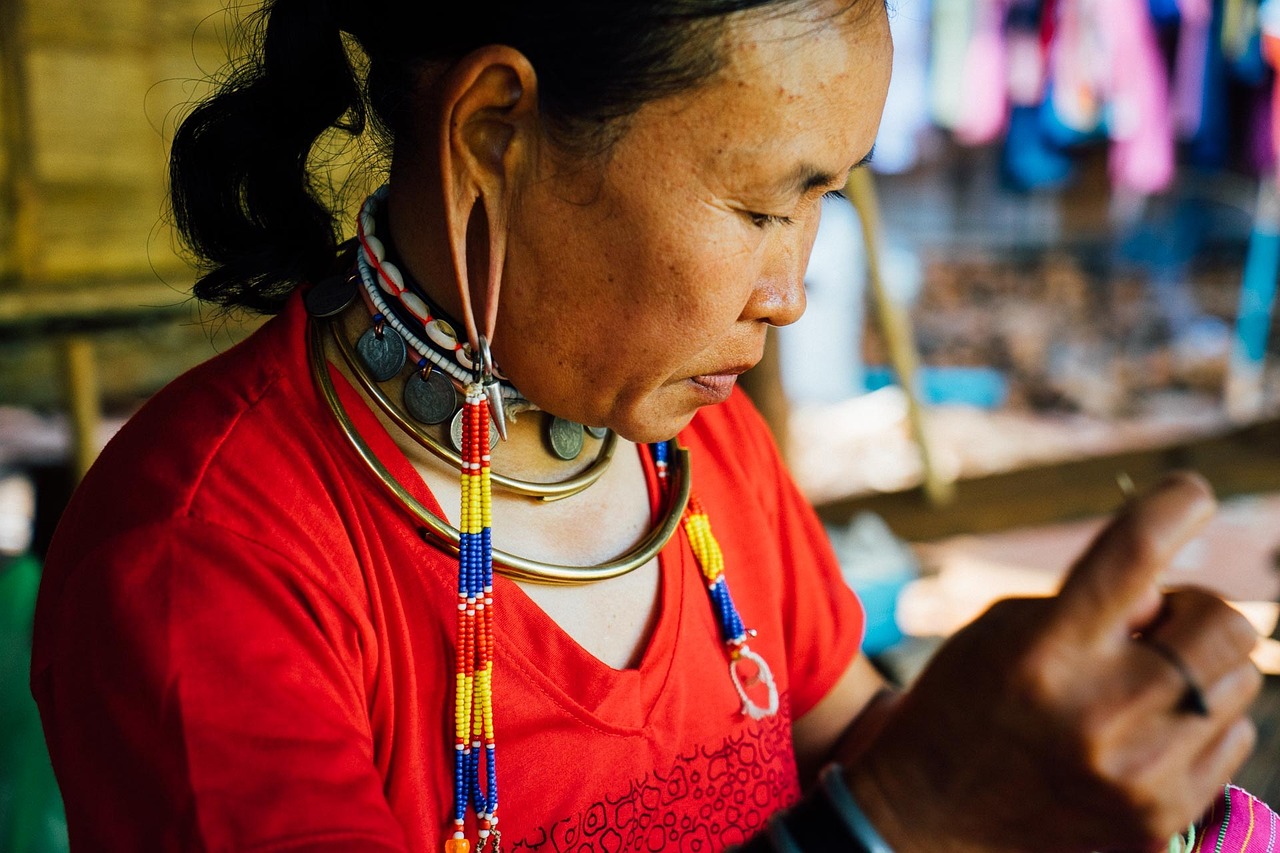
Spirit Lake Nation Chairwoman Lonna Street, pictured in traditional Dakota dress. She believes a casino in Grand Forks could jeopardize the financial stability of tribes in the region that depend on gaming for essential services.
The Proposed Casino and Tribal Concerns
TMBCI has garnered support from the Grand Forks City Council for the ambitious project, which is projected to cost between $280 million and $300 million. The proposed resort will feature a 200-plus room hotel, a Class III casino offering a variety of games, a conference and banquet facility, an entertainment center, and essential amenities like a gas station and convenience store. This development is seen by TMBCI as a crucial step towards economic diversification and a source of funding for vital tribal programs.
However, the Spirit Lake Nation has voiced significant concerns regarding SB 2376. Chairwoman Lonna Street expressed disappointment that the legislative process did not involve meaningful consultation with tribes who would be directly affected by the development. This lack of consultation is a core issue, as tribal sovereignty dictates that these decisions must be made in partnership with tribal nations.
Impact on Regional Tribal Gaming
The primary worry for the Spirit Lake Nation is the potential impact on their own operations. Located approximately 100 miles west of Grand Forks, the Spirit Lake Casino & Resort relies on gaming revenue to support essential services for its roughly 31,000 members – including schools, hospitals, infrastructure, and cultural programs. Chairwoman Street stated that a new casino in Grand Forks could “divert critical revenue away from existing tribal casinos,” threatening their ability to provide these essential services.
This concern is particularly poignant for TMBCI, which acknowledges facing “economic challenges” due to the remote location of its Sky Dancer Casino. The proposed Grand Forks casino promises not only economic diversification but also a significant boost to funding for crucial tribal programs and community initiatives. It’s anticipated that the resort will create numerous jobs and revitalize the local economy.
Tribal Sovereignty and Consultation
A central point of contention surrounding SB 2376 is the lack of formal government-to-government consultation with the Spirit Lake Nation and potentially other tribal nations. This raises serious concerns about respect for tribal sovereignty and intergovernmental relations. Tribal leaders emphasize that tribes should be considered equal partners in decisions that significantly impact their economies, livelihoods, and communities.
The Spirit Lake Nation’s opposition is also fueled by past experiences where state decisions regarding gaming, such as the expansion of electronic pull-tab machines, were made without prior consultation and ultimately harmed tribal casino revenue. This history has fostered a sense of distrust and a determination to ensure that tribal interests are protected in the current legislative process.
Economic Plans and Future Outlook
During a recent Senate committee hearing, TMBCI Chairman Jamie Azure highlighted that the casino project is integral to a comprehensive 10-year economic plan for his tribe. This plan aims to foster sustainable economic growth and provide long-term stability for the community. The proposed high-end resort is envisioned as a significant contributor to this plan, bringing much-needed jobs and revenue to the Grand Forks area.
The debate surrounding SB 2376 underscores the complex relationship between tribal nations and state governments in the realm of gaming. While TMBCI argues that the casino will bring economic benefits, the Spirit Lake Nation fears the potential for financial instability and a violation of tribal sovereignty. The outcome of this legislative effort will have far-reaching consequences for the entire region’s tribal gaming landscape.
Conclusion
The proposed casino resort by TMBCI in Grand Forks, North Dakota, has ignited a significant debate with strong opposition from the Spirit Lake Nation. The primary concern revolves around the potential diversion of revenue from existing tribal casinos and the lack of proper consultation with affected tribes. This situation highlights the critical importance of respecting tribal sovereignty and ensuring that decisions impacting tribal economies are made through genuine government-to-government partnerships. While TMBCI views the project as a crucial step towards economic diversification and community development, the Spirit Lake Nation fears it could destabilize the entire regional tribal gaming market. The outcome of this legislative battle will have profound implications for the future of tribal gaming in North Dakota.
Featured Image Keyword: Turtle Mountain Casino Resort
Categories: Blog
Link:

