

Atlantic County Executive Calls for Changes to Atlantic City Casino Tax Scheme

Atlantic County Executive Dennis Levinson Advocates for Reversal of Scheme

Understanding the complexities of your winnings begins with a clear guide, so we have provided this Table of Contents to help you navigate the essential rules of gaming and the impact of casino tax on your total payouts.

Atlantic County Executive Dennis Levinson (R) is strongly opposing the current property tax arrangement for the nine casinos operating in Atlantic City, arguing that it places an unfair financial burden on county taxpayers. He is advocating for a return to the pre-2021 tax structure.
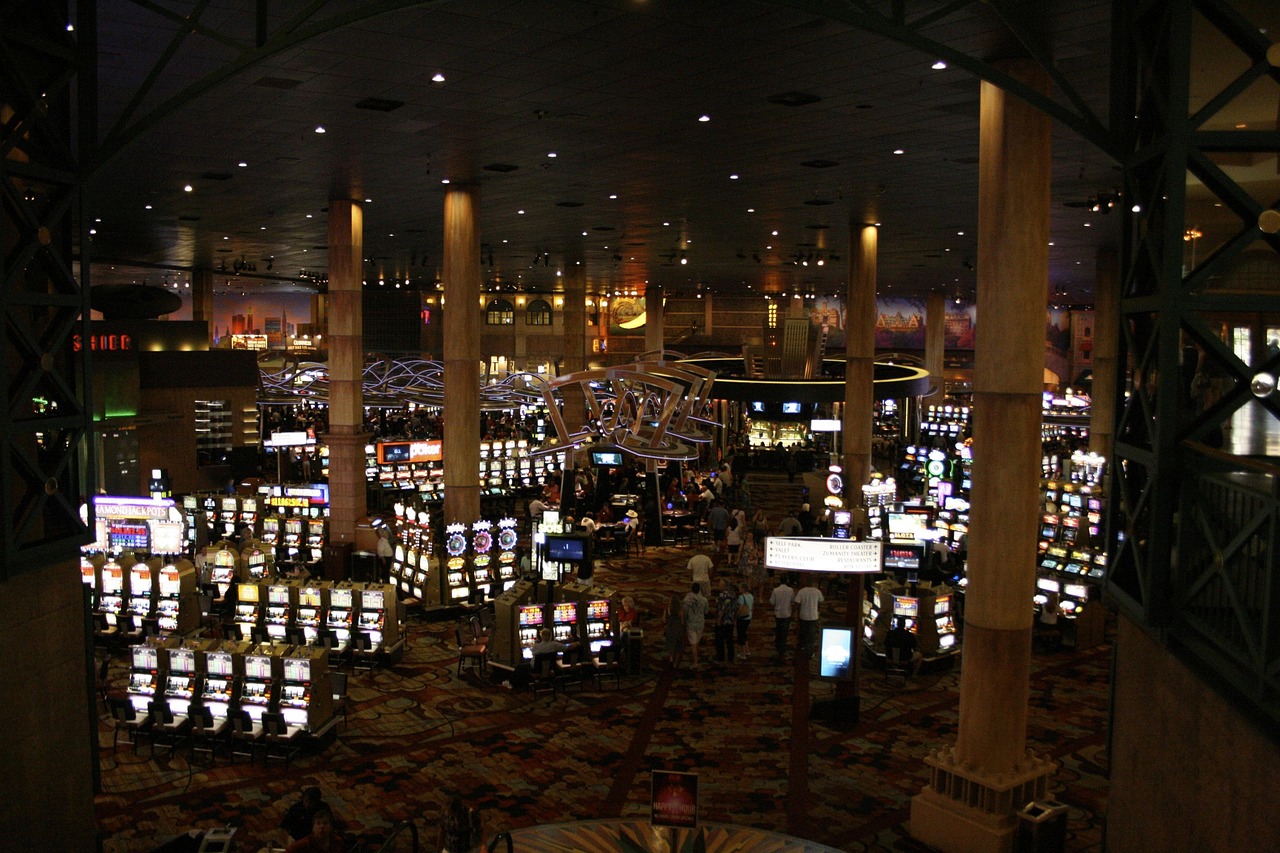
Casino taxes
Image by zikiline from Pixabay

Image: Atlantic County Executive Dennis Levinson

The Payment-in-Lieu-of-Taxes (PILOT) Scheme

The state of New Jersey has implemented a payment-in-lieu-of-taxes (PILOT) scheme for the Atlantic City casinos. This arrangement determines the amount of property taxes the casinos pay to the state, county, and city, based on their gross gaming revenue (GGR). The current PILOT agreement is set to expire at the end of 2026, prompting ongoing discussions and potential amendments within the New Jersey legislature.

Origin of the PILOT Scheme

The PILOT program was established in 2016 as a response to the closure of several casinos between 2014 and 2016. These closures led to legal challenges from the remaining casinos regarding their property tax assessments, which in turn created funding shortages for essential county and city services.

Concerns Raised by Atlantic County Executive Levinson

Executive Levinson contends that a 2021 amendment to the PILOT calculation, specifically the exclusion of revenue from iGaming (online casino gambling) and online sports wagering, has significantly disadvantaged Atlantic County taxpayers. According to Levinson, this change has cost his constituents over $14 million between 2022 and 2024.

The Impact of Excluding iGaming Revenue

The casinos successfully argued that a substantial portion of iGaming revenue flows to third-party operators like DraftKings, which have minimal physical presence in Atlantic City. Levinson’s office has stated that the original PILOT agreement allocated 13.5% of annual PILOT funds to Atlantic County. The removal of iGaming and online sports betting revenue from the tax calculation has resulted in approximately $5 million less in property tax revenue for Atlantic County each year.

Here are some key facts about the PILOT scheme:

  • The current PILOT agreement is set to expire at the end of 2026.
  • The scheme determines casino property tax payments based on their gross gaming revenue (GGR).
  • A 2021 amendment excluded iGaming and online sports betting revenue from the GGR calculation.
  • Atlantic County believes this amendment has resulted in over $14 million in lost tax revenue.

Legal Battle and Financial Implications

Atlantic County initiated a lawsuit against the state, alleging that the 2021 amendment violated a 2018 consent order. This order had allocated a larger share of the annual PILOT funds to Atlantic County. The legal battle has incurred over $1.3 million in legal fees for the county.

In 2022, a New Jersey Superior Court judge ruled in favor of Atlantic County, but ongoing appeals have kept the case and the associated funds in a state of uncertainty.

The financial impact on the county is substantial:

  • Over $14 million in lost tax revenue (2022-2024).
  • More than $1.3 million in legal fees.

Levinson’s Plea to State Lawmakers

In a letter to State Senator Vince Polistina, who is leading discussions on extending the PILOT agreement, Executive Levinson urged lawmakers to prioritize the interests of Atlantic County taxpayers. He argues that the current PILOT structure unfairly burdens the county while providing benefits to the casino industry and other counties in New Jersey.

“The only ‘certainty’ the Atlantic County taxpayers have had since the PILOT is knowing they will continue to pay more than their fair share in taxes while the casinos and Atlantic City will pay less,” Levinson stated.

He expressed disappointment at not being able to meet with Senator Polistina directly and emphasized that casino benefits extend to all 21 counties in New Jersey, not just Atlantic County. He advocates for a new PILOT agreement that considers the interests of all taxpayers.

The Future of the PILOT Scheme

As the current PILOT agreement approaches its expiration, the discussions surrounding its extension are gaining momentum. Executive Levinson’s advocacy for a return to the pre-2021 tax structure highlights the ongoing debate about the fairness and financial implications of the casino tax arrangement in Atlantic City. The outcome of these discussions will have a significant impact on the financial well-being of Atlantic County taxpayers.

Related Topics: Atlantic City Casino Tax,

Challenges in Casino Development: Grand Forks Casino Bill Fails Amid Controversy

How Failed Legislation in Grand Forks Impacts the Future of Professional Casino Development

To guide you through our comprehensive overview of the industry, this Table of Contents outlines the essential stages of successful casino development, from initial site planning to final operational launch.

A recent vote in the North Dakota Senate saw the defeat of a bill that would have enabled the development of a casino in Grand Forks, North Dakota. The failure of the bill was accompanied by strong criticism directed towards State Senator Diane Larson for her speculative and controversial comments regarding the project’s financial backing.

Casino funding
Image by Charlottees from Pixabay

State Senator Diane Larson’s remarks concerning the proposed TMBCI Grand Forks casino were widely perceived as ill-informed and deeply offensive to many of her fellow Republican colleagues. As the chair of the Senate Judiciary Committee, she was expected to possess a thorough understanding of the matter. Her comments sparked considerable debate and condemnation within the state legislature.

Prior to the vote, Senator Larson publicly questioned the source of funding for the proposed casino, which is being spearheaded by the Turtle Mountain Band of Chippewa Indians (TMBCI). She voiced concerns about the financial origins, asking pointedly, “Cartels, or what?” according to reports from The Grand Forks Herald.

These comments were made despite TMBCI Chairman Jamie Azure having clearly outlined the funding plan during a Senate Judiciary Committee hearing on February 5th. Chairman Azure explained that the proposed $300 million casino would be financed through a combination of private bank loans and the tribe’s own economic development fund, demonstrating financial stability and transparency.

The Grand Forks Herald swiftly addressed Larson’s concerns, publishing a headline stating, “Cash for proposed Grand Forks casino would come from tribal funds, ‘private bank financing,’ Azure says.” This highlighted the factual basis of the funding plan, directly contradicting Larson’s insinuations.

Adding to the controversy, Larson further ignited criticism by suggesting that the state of North Dakota had “given land” to the tribe and sarcastically proposed a broader application of this model – suggesting that every major city in the state should partner with a tribe by providing land for casinos. This remark was widely viewed as insensitive and out of touch.

It’s crucial to understand the financial context: TMBCI purchased the 146-acre parcel of land southwest of Grand Forks City limits using tribal funds. Crucially, they did not seek any financial assistance from the state or the city for this project. This demonstrates the tribe’s financial independence and commitment.

Senator Larson’s comments drew sharp rebukes from her Republican colleagues. Representative Scott Meyer (R-Grand Forks) expressed his disappointment, stating, “I was disappointed by the language of the chair of the Judiciary Committee claiming the tribe is associated with cartels in order to defeat this project,” adding that it’s difficult to refute such claims when based on incorrect information and speculation.

Representative Kristin Roers (R-Fargo) voiced her strong disapproval, stating she was “incredibly offended” by Larson’s remarks and asserting that “our chamber is better than that.” These statements highlight the widespread disapproval of Larson’s actions within the North Dakota legislature.

Senator Larson has since issued an apology for her comments. However, the damage to her reputation and the project’s prospects remains.

TMBCI: A Growing Force in North Dakota

The Turtle Mountain Band of Chippewa Indians (TMBCI) is the largest tribe in North Dakota, boasting a membership of approximately 31,000 individuals. Beyond their reservation lands, TMBCI has established a significant economic presence, most notably with the Sky Dancer Casino located in a remote area near the Canadian border. This casino serves as a key component of their economic development initiatives.

The proposed Grand Forks casino was part of a ten-year economic revitalization plan designed to bolster the tribe’s finances and create new opportunities for its members. This expansion would not only generate revenue but also provide employment and contribute to the economic well-being of the surrounding community. Tribal casinos often bring significant economic benefits to local areas, fostering tourism and supporting local businesses.

The defeat of the bill was attributed in part to concerns that it could negatively impact revenues from existing charitable gaming operations. This highlights the complex political and economic considerations surrounding casino development within the state. The debate underscores the need for careful consideration of the potential impacts on various sectors of the economy.

Here are some key facts about TMBCI:

  • Largest Tribe in ND: With approximately 31,000 members, TMBCI is the largest Native American tribe in North Dakota.
  • Economic Development Focus: The tribe’s economic development initiatives are aimed at creating jobs and improving the quality of life for its members.
  • Sky Dancer Casino: TMBCI operates the Sky Dancer Casino, a significant source of revenue and employment.
  • Community Investment: TMBCI invests in various community programs, supporting education, healthcare, and other vital services.

The failure of this bill represents a setback for TMBCI’s economic development plans. However, the tribe remains committed to exploring opportunities to expand its economic footprint and contribute to the prosperity of North Dakota.

Learn more about 10BET: [https://partners.10betaffiliates.co.za/visit/?bta=36438&nci=5343](https://partners.10betaffiliates.co.za/visit/?bta=36438&nci=5343) – Explore exciting casino and sports betting opportunities with 10BET.

Conclusion

The defeat of the Grand Forks casino bill was a result of controversial comments made by State Senator Diane Larson, who speculated about potential cartel involvement in the project’s financing. These comments were widely criticized as ill-informed and offensive. The Turtle Mountain Band of Chippewa Indians (TMBCI) had clearly demonstrated a transparent funding plan utilizing tribal funds and private bank financing. The bill’s failure also reflected concerns about potential impacts on charitable gaming revenues. Despite this setback, TMBCI remains committed to economic development and continues to be a significant economic force in North Dakota.

Casino funding
Image by u_azrr1basez from Pixabay

Star Entertainment Debt Refinancing: Impact on Future Casino Operations

Optimizing Casino Operations: Is Star Entertainment’s $650 Million Debt Refinancing a Lifeline or a Final Gamble?

To effectively manage the complexities of modern casino operations, one must first understand the structural roadmap of the business, beginning with our detailed Table of Contents.

Image: Star Entertainment

Casino debt
Image by StockSnap from Pixabay

Troubled Australian casino operator Star Entertainment is facing a critical juncture, with a potential lifeline in the form of a substantial debt refinancing offer from Oaktree Capital. This development has sent ripples through the market, causing Star’s shares to experience a significant rally. Let’s delve into the details of this offer and explore its implications for the future of the company.

The Liquidity Crisis Facing Star Entertainment

Star Entertainment has been grappling with a severe liquidity crisis, raising serious concerns about its ability to continue operations. This financial strain is compounded by ongoing regulatory challenges that have significantly impacted the company’s reputation and financial standing. The company has openly communicated the precariousness of its situation to investors, highlighting the urgency for a viable solution.

Oaktree Capital’s Offer: A Detailed Breakdown

The US-based global asset management firm, Oaktree Capital, has presented Star Entertainment’s lenders with an offer to refinance AU$650 million (approximately US$413.40 million) of its debt. According to reports from The Australian Financial Review, Oaktree intends to acquire the debt from a syndicate that includes prominent financial institutions such as Westpac, Barclays, and Washington H Soul Pattinson, alongside other investors. This move would effectively dilute the existing investors’ shares, making Oaktree a major shareholder in Star Entertainment.

How the Offer Works and Potential Implications

Oaktree’s proposal involves acquiring the debt at a discounted rate. While this offers immediate financial relief to Star Entertainment by alleviating its debt burden, it also signifies a significant shift in ownership and control. It’s crucial to note that this offer is not contingent on Star raising additional capital or obtaining waivers from tax authorities. However, even with the acceptance of this offer, Star will still require further funding to navigate the period leading up to its implementation.

The History of Regulatory Troubles

Star Entertainment’s journey has been marked by regulatory challenges, most notably the suspension of its license for The Star Sydney in 2022. This suspension followed a regulatory inquiry that concluded the company had facilitated money laundering activities through private high-roller junket rooms. Specifically, it was discovered that Chinese high rollers were able to withdraw a staggering $900 million using China UnionPay (CUP) credit cards, disguised as hotel expenses.

Previous Attempts to Secure Financial Relief

Prior to this offer from Oaktree Capital, Star Entertainment had unsuccessfully sought tax deferrals from the Queensland and New South Wales state governments. The company also explored the possibility of selling its stake in the Queen’s Wharf casino and entertainment precinct in Brisbane, which opened in September. These efforts underscore the severity of Star’s financial predicament.

The Impact on Casino Operations

Despite the license suspension, gaming operations at The Star Sydney have continued to function. This highlights the complex regulatory landscape and the ongoing challenges faced by the company in maintaining its operational integrity. This situation has raised concerns about the potential long-term viability of Star Entertainment and the broader Australian casino industry.

Key Takeaways

  1. Debt Refinancing: Oaktree Capital’s offer aims to refinance AU$650 million of Star Entertainment’s debt.
  2. Share Dilution: The deal involves diluting existing investors’ shares, making Oaktree a significant shareholder.
  3. Liquidity Concerns: Star Entertainment is facing a severe liquidity crisis and requires additional funding.
  4. Regulatory Issues: The company’s license was suspended in 2022 due to money laundering concerns.
  5. Future Uncertainty: Even with the offer, Star will need further funding to ensure continued operations.

Conclusion

Oaktree Capital’s $650 million debt refinancing offer represents a potential turning point for Star Entertainment. While it offers immediate financial relief, it also signifies a significant change in ownership and underscores the company’s ongoing struggles with liquidity and regulatory scrutiny. The future of Star Entertainment remains uncertain, and its ability to secure additional funding will be crucial in determining its long-term viability. This situation serves as a stark reminder of the inherent risks associated with the casino industry and the importance of robust regulatory oversight.

Lottery Fraud Scandal: Texas Official Accused of Rigging $95M Jackpot

Lottery Fraud Exposed: How an Ex-Texas Official Allegedly Rigged a $95 Million Jackpot

In a stunning turn of events that has sent shockwaves through the gambling industry, a class-action lawsuit has been filed against former Texas Lottery chief executive Gary Grief, alleging his direct role in a massive scheme of lottery fraud. The lawsuit claims Grief facilitated a criminal conspiracy that allowed a European-based syndicate to exploit the state’s system, resulting in a staggering $95 million jackpot win in April 2023. By strategically purchasing 25.8 million tickets to cover every possible combination for the April 22nd draw, the syndicate effectively rigged the outcome through this calculated instance of lottery fraud.

Lottery fraud
Image by vickygharat from Pixabay

The lawsuit, filed by Dawn Nettles, founder of LottoReport.com, details how Grief allegedly worked with Lottery.com to enable the purchase and sale of “illegal” lottery tickets in Texas. This coordinated effort allowed the syndicate to systematically cover all potential winning numbers, guaranteeing a significant share of the jackpot and secondary prizes.

The Syndicate’s Method: A Calculated Gamble

The April 22, 2023 draw became vulnerable due to the sheer volume of tickets purchased – 25.8 million in total. This was a calculated move by the syndicate to ensure a payout, transforming a game of chance into a predictable outcome. Typically, the Texas Lottery sells only one to two million tickets per week. Acquiring 25.8 million required a sophisticated logistical operation.

Grief’s Alleged Role: Facilitating the Conspiracy

The lawsuit claims that over several years, Gary Grief “fraudulently” created the conditions necessary for the syndicate to exploit the lottery system to the detriment of Texas players. His actions, according to the complaint, began in 2017 with a trip to California to lobby Lottery.com to establish their business in Austin. This marked the start of a partnership that transformed the Lottery Commission and Lottery.com into a single criminal entity.

Lottery.com, an online lottery courier service, played a crucial role by processing the massive number of tickets required to cover all combinations. Grief is accused of actively enabling this by bypassing standard legislative procedures to allow for cell phone ticket purchases – a key element in facilitating the syndicate’s operation. He also reportedly permitted 24-hour ticket printing and anonymous winner claims, measures specifically designed to support lottery couriers like Lottery.com.

Bypassing Regulations and Enabling Fraud

Evidence presented in the lawsuit includes a 2019 letter from Grief to Lottery.com co-founder Tony DiMatteo, where he stated that Texas Powerball tickets could be purchased by “foreign jurisdictions” as long as the sales were legal where the player was located. The lawsuit argues that these actions violated Texas Lottery regulations and resulted in the fraudulent acquisition of funds.

Legal Action and Seeking Justice

The lawsuit seeks recovery of funds “fraudulently obtained by the Texas Lottery Commission,” as well as declaratory and injunctive relief to prevent future misconduct. This is a significant legal challenge to the integrity of the Texas Lottery system.

Gary Grief retired in early 2024, just months before news of the syndicate’s scheme was reported by The Houston Chronicle, bringing the extent of the fraud to light and prompting this legal action. The implications of this case extend beyond the financial losses suffered by individual players, raising serious questions about oversight and regulation within the lottery industry.

Key Facts About the Texas Lottery

  • The Texas Lottery is one of the largest state-run lotteries in the United States, generating hundreds of millions of dollars annually for education programs.
  • In 2022, the Texas Lottery reported sales of over $14 billion.
  • The lottery system operates through a network of retailers and online platforms.

Learn More About Responsible Gambling

If you or someone you know is struggling with gambling addiction, please reach out for help. Here are some resources:

From Powerball Dreams to Losing Everything: The Cautionary Tale of a Lost Lottery Jackpot

From Winning the Lottery Jackpot to Losing it All: The Tragic Tale of a Powerball Winner’s Malibu Mansion

To navigate our guide to life-changing wins, use this Table of Contents to find everything you need to know about chasing the ultimate lottery jackpot.

The incredible journey of Edwin Castro, the Powerball winner who claimed the record-breaking $2.04 billion jackpot in November 2022, has taken a dramatic turn. While initially embracing a life of luxury with lavish real estate acquisitions, Castro recently lost his $3.85 million Malibu home in the devastating 2025 Los Angeles wildfires. This event serves as a stark reminder of the risks associated with high-value investments and the unpredictable nature of life, even for those who have struck it rich.

Luxury home fire
Image by shadowfirearts from Pixabay

A Dream Turned to Ashes

Castro’s story began on November 7, 2022, when he matched all five white balls and the Powerball number, securing the largest lottery prize in U.S. history. Opting for the lump-sum cash option, he received approximately $997.6 million before taxes. This sudden windfall propelled him to become a prominent figure in Southern California real estate, embarking on a buying spree that included a stunning $25.5 million mansion in the Hollywood Hills and a $4 million home for his parents in Altadena. His Malibu property, boasting breathtaking Pacific Ocean views near Big Rock, was a significant addition to his portfolio.

The Malibu Home: A Luxurious Retreat

The two-bedroom Malibu home, purchased in September 2023, offered a tranquil escape with its proximity to the ocean. It was a testament to Castro’s newfound wealth and his desire for a luxurious coastal lifestyle. Sadly, this dream retreat was tragically destroyed by the wildfires that ravaged the region on January 7th, 2025, specifically impacting areas near Runyon Canyon.

Financial Strategies and Risky Ventures

Following his win, Castro reportedly sought financial guidance from his younger brother, Jesse, a banker. In addition to the three properties, he indulged in luxury vehicles, including coveted vintage Porsche 911s and a high-performance Porsche 911 GT2RS valued at around $500,000. His extravagant spending also extended to a memorable trip to Fiji with friends shortly after claiming his prize. This period of indulgence has drawn scrutiny from financial experts who have voiced concerns about the sustainability of his spending habits.

Real Estate Investments: A Volatile Market

Financial analysts have cautioned that investments in second or third homes, especially luxury real estate, can be risky. Luxury properties are often illiquid and susceptible to economic downturns and unforeseen circumstances like wildfires. Maintaining a property like Castro’s $25.5 million Hollywood Hills mansion – featuring amenities such as a game room, wine cellar, home theater, gym, and sauna – comes with substantial annual costs, estimated at over $1 million per year for upkeep.

Legal Victory Amidst Loss

Amidst these recent misfortunes, Castro achieved a significant legal victory. In October of the previous year, a Los Angeles Superior Court judge dismissed a lawsuit alleging that he had stolen the winning Powerball ticket. The plaintiff, Jose Rivera, claimed his landlord had initially taken the ticket, and it ended up with Castro. The judge ruled that lottery players are solely responsible for protecting their tickets from loss or theft.

The Importance of Financial Planning

Edwin Castro’s story is a poignant reminder that even extraordinary wealth doesn’t guarantee immunity from life’s unpredictable events. His experience highlights the critical importance of sound financial planning, diversification of investments, and seeking expert advice to navigate the complexities of managing a large fortune. It also underscores the vulnerability of coastal properties in regions prone to wildfires.

Image: Burnt-down oceanfront homes in Malibu near where Powerball winner Edwin Castro lost one of his multimillion-dollar residences. (Image: Shutterstock)

Conclusion

The story of Edwin Castro serves as a compelling case study in the challenges of managing sudden wealth. While initially enjoying a life of luxury fueled by real estate investments, his recent loss of his Malibu home in the wildfires underscores the risks inherent in high-value assets and the importance of prudent financial management. This event highlights the vulnerability of coastal properties to natural disasters and reinforces the need for comprehensive risk mitigation strategies. Castro’s journey is a cautionary tale reminding us that even with a life-altering jackpot, careful planning and awareness are essential for long-term financial security.

Keywords: Powerball, lottery winner, California wildfires, Malibu, real estate investment, financial planning, risk management, luxury homes,

Categories: Blog

Meta Title: Powerball Winner Loses Malibu Home in Wildfires – A Cautionary Tale | 10BET

Meta Description: Discover the story of Edwin Castro, the Powerball winner who lost his Malibu mansion in the recent wildfires. Learn about the risks of high-value investments and the importance of financial planning. Visit 10BET for more insights.

Image Keyword: Malibu wildfire damage, burnt oceanfront homes

Internal Links: 10BET

Super Bowl 2029: Las Vegas Hosting Chances and Top Sports Betting Tips

Super Bowl 2029: Get Ready for Las Vegas and the Ultimate Sports Betting Experience

Las Vegas is rapidly establishing itself as a premier sports destination, and the NFL is signaling its strong intent to solidify that position by awarding Super Bowl LXIII (2029) to the city. This potential return to Allegiant Stadium follows the resounding success of Super Bowl LVIII in 2024, which generated a staggering $1 billion economic impact for Clark County.

Sports stadium
Image by Fotorech from Pixabay

The NFL reached out to Clark County and the Las Vegas Raiders seeking interest in hosting the game in 2029, 2030, or 2031. The response was overwhelmingly positive, with Steve Hill, CEO and president of the Las Vegas Convention and Visitors Authority (LVCVA), expressing strong enthusiasm for all available years.

Super Bowl LVIII: A Resounding Success

Super Bowl LVIII, held at Allegiant Stadium in February 2024, was a resounding success. Over 260,000 visitors flocked to Las Vegas to witness the Kansas City Chiefs defeat the San Francisco 49ers, injecting vital economic activity into the region. The event showcased Las Vegas’s ability to handle large-scale events and deliver exceptional fan experiences.

The LVCVA estimates that Super Bowl LVIII brought a significant boost to the local economy through hotel stays, dining, entertainment, and related spending. This success has undoubtedly strengthened Las Vegas’s position as a desirable Super Bowl host city.

Competition for Super Bowl Hosting Rights

While the NFL has locked in the next three Super Bowls (2026 in Santa Clara, 2027 in Los Angeles, and 2028 in Atlanta), the competition for Super Bowl LXIII is heating up. According to Sports Business Journal, Allegiant Stadium and SoFi Stadium are currently the frontrunners for Tier 1 hosting rights.

This signifies that these two venues are considered the most desirable locations to host a future Super Bowl, due to their infrastructure, amenities, and overall appeal to fans and stakeholders. The NFL is carefully considering factors such as stadium capacity, accessibility, fan experience, and media coverage when making its decision.

Las Vegas will become the 12th metropolitan area to host multiple Super Bowls, joining a prestigious list that includes Los Angeles, Atlanta, Detroit, Houston, Miami, Minneapolis, New Orleans, Phoenix, San Diego, San Francisco, and Tampa, Florida. This reinforces Las Vegas’s growing importance as a major sporting hub.

The NFL is currently being tight-lipped about its final decision, with an announcement not expected before December, with October being the earliest possible timeframe. However, the strong interest from both Allegiant Stadium and the Raiders, combined with the positive economic impact of Super Bowl LVIII, suggests that Las Vegas has a very good chance of hosting another Super Bowl in 2029.

The Future of Super Bowls in Las Vegas

Beyond Super Bowl LXIII, Las Vegas is investing heavily in infrastructure and entertainment options to further enhance its appeal as a world-class sporting destination. This includes ongoing developments in hotels, casinos, and entertainment venues, creating a vibrant ecosystem for hosting major sporting events.

The success of Super Bowl LVIII has demonstrated that Las Vegas can not only host a major sporting event but also attract millions of visitors and generate significant economic benefits. This positive momentum positions the city for continued growth as a premier destination for NFL games and other sporting competitions. The combination of world-class entertainment, luxurious accommodations, and a vibrant atmosphere makes Las Vegas an irresistible choice for the NFL.

The potential return of the Super Bowl to Las Vegas in 2029 is a testament to the city’s growing prominence in the sports world. This event will not only bring millions of visitors and generate substantial economic benefits but also further solidify Las Vegas’s reputation as a premier destination for major sporting events.

Conclusion

The NFL is strongly considering awarding Super Bowl LXIII (2029) to Las Vegas, building on the success of Super Bowl LVIII. Las Vegas’s ability to host a large-scale event and generate significant economic impact has positioned it as a top contender for future Super Bowl hosting rights. The city’s continued investment in infrastructure and entertainment makes it an increasingly attractive destination for major sporting events. This potential return signifies Las Vegas’s growing importance as a premier sports hub, promising further economic benefits and cementing its place on the national sports calendar.

Image Keyword: Super Bowl Las Vegas Allegiant Stadium

Casino News Roundup: Fire, Jackpot Controversy & Illegal Gambling

Latest Casino News: Crime Incidents and Regulatory Updates Roundup

Stay updated with the latest industry shifts and breaking updates by browsing our comprehensive Table of Contents, your essential guide to the most important Casino news of the day.

The world of casinos and gambling is constantly evolving, with news ranging from unexpected incidents to regulatory changes. This article provides a roundup of recent events, highlighting safety concerns, legal issues, and the ongoing efforts to maintain fair and responsible gaming environments.

Casino fire
Image by 955169 from Pixabay

Chumash Casino Resort Fire

A concerning incident occurred at the Chumash Casino Resort in Santa Ynez, California, on Monday morning. A fire broke out in the parking garage, temporarily closing the facility. The fire was first noticed around 8:10 a.m. in the lower level of the parking complex. The Santa Barbara County Fire Department responded swiftly, with crews working to contain the blaze and prevent it from spreading to nearby vehicles.

Firefighters faced challenges due to low visibility caused by smoke and fire, leading to the closure of the garage. Hose lines were deployed to protect parked cars from the flames. The fire, primarily contained to a vehicle’s engine, was successfully extinguished by 8:34 a.m. The self-parking parking facility is expected to reopen by 10 a.m., approximately two hours after the incident began.

Thankfully, no injuries were reported, and authorities have yet to release a damage estimate. Fire investigators are currently at the scene to determine the cause of the fire. This incident serves as a reminder of the importance of fire safety measures in large facilities like casinos.

Casino fire
Image by Henry_Wang from Pixabay

Pennsylvania Casino Jackpot Controversy

In a surprising turn of events, a man who won a substantial jackpot at Parx Casino in Bensalem, Pennsylvania, was unable to claim his prize. The 46-year-old resident had voluntarily placed himself on the state’s self-exclusion list, effectively barring him from gambling at any Pennsylvania gaming property for life.

The man won $57,000 at approximately 4 p.m. However, casino staff, adhering to state regulations and his self-exclusion agreement, denied him the winnings. He was subsequently cited for trespassing by the Pennsylvania State Police. This incident underscores the importance of responsible gambling and the effectiveness of self-exclusion programs in protecting individuals from problem gambling.

Long Island Illegal Gambling Operation Shut Down

Law enforcement in Suffolk County, New York, recently dismantled an illegal gambling operation operating out of two businesses in Central Islip. Police executed search warrants at two locations of Lempa Deli, uncovering five gambling machines and arresting three suspects.

The investigation was initiated following reports of suspicious activity at the delis. Authorities discovered gambling machines at both locations, with one deli housing three machines and the other having two. All five machines were confiscated as evidence.

Those arrested include Saul Reyes, the deli manager, charged with possession of gambling devices; Jose Caneses-Escobar, a deli owner, also charged with the same offense; and Mario Zavala, a patron accused of loitering for the purpose of gambling. The cases have been forwarded to local prosecutors, signaling a strong stance against illegal gambling activities.

This case highlights the ongoing efforts by law enforcement to combat illegal gambling operations and protect the public from potential risks associated with such activities. Responsible gaming is key – if you or someone you know is struggling with gambling, resources are available at.

Summary

Recent news in the casino and gambling industry includes a fire at Chumash Casino Resort, a jackpot controversy in Pennsylvania due to self-exclusion, and the shutdown of an illegal gambling operation on Long Island. These events underscore the importance of safety measures, responsible gambling practices, and the ongoing efforts of law enforcement to combat illegal activities within the gaming sector. Remember to always gamble responsibly and be aware of your surroundings. For more information on responsible gaming and casino news, visit.

Featured Image Keyword: Casino fire scene Pixabay

Categories: Blog

Internal Links: 10BET, responsible gambling section

Meta Description: Stay informed about the latest casino news! Read about a fire at Chumash Casino Resort, a jackpot controversy in Pennsylvania, and illegal gambling busts on Long Island. Learn more about responsible gaming with 10BET.

Meta Title: Casino News Roundup: Fire, Jackpot Controversy & Illegal Gambling

Hawaii Casino Bill Dead, But iGaming & Sports Betting Fight On

Hawaii’s Gambling Future: Casino Bill Fails, But iGaming and Sports Betting Remain in the Race

Explore our comprehensive guide to the world of wagering, featuring a detailed Table of Contents that covers everything from traditional casino games to the high-octane excitement of sports betting.

Hawaii is at a crossroads when it comes to gambling. While efforts to introduce casinos have recently stalled, the fight for online casino gaming (iGaming) and sports betting continues to gain momentum. Currently, Hawaii has no legal forms of gambling, placing it in the company of only Utah in the United States.

sports betting
Image by clarencealford from Pixabay

Image:

sports betting
Image by bianca-stock-photos from Pixabay

Casino Legislation Stalls in Honolulu

The latest setback came with the folding of Senate Bill 893 by the Hawaii Senate Committee on Commerce and Consumer Protection. This bill, proposed by state Sen. Dru Kanuha, aimed to permit two commercial casinos – one in the New Aloha Stadium Entertainment District and another at the Hawaii Convention Center. However, the committee decided to “indefinitely defer” the bill following significant opposition from the state Department of Commerce and Consumer Affairs and Attorney General Anne Lopez.

Committee Chair Lynn DeCoite emphasized that the opposition to bringing a Las Vegas-style casino to Hawaii was overwhelming. “Casino gambling has not always been a favorite subject. Regardless of if we’re flying to Las Vegas or any other place, we’ve always had our challenges here in Hawaii,” she stated. The bill proposed a 15% flat tax on casino revenue, with the funds earmarked for K-12 public education.

iGaming and Sports Betting: A Glimmer of Hope

Despite the casino bill’s demise, the future of gambling in Hawaii isn’t entirely bleak. Legislation for online casino gaming (iGaming) and sports betting are still very much alive. Senate Bill 1569, spearheaded by Lynn DeCoite with cosponsors from both parties, seeks to authorize online sportsbooks with a 10% tax on gross proceeds. A key provision specifies that sports betting would not be classified as games of chance or gambling.

SB 1569 recently passed the Senate Economic Development and Technology Committee with a unanimous 5-0 vote, and is now awaiting consideration in DeCoite’s Commerce and Consumer Protection Committee. Several entities, including DraftKings, BetMGM, the Sports Betting Alliance, and Boyd Gaming, have voiced their support for this bill.

Meanwhile, Senate Bill 1507 proposes authorizing online casino gambling, encompassing slot machines, table games, poker, and instant lottery games. Introduced by Sen. Ronald Kouchi, it has been referred to the Senate Economic Development and Technology Committee but hasn’t yet undergone review.

The Current Landscape of Gambling in Hawaii

Currently, Hawaii prohibits all forms of gambling, including charitable gaming, parimutuel wagering, lottery, and tribal gaming. This makes Hawaii one of only two states in the U.S. with such a strict stance on gambling (the other being Utah). Many Hawaiians attribute this to political opposition influenced by ties with Nevada’s gambling industry.

Hawaii serves as a significant market for Las Vegas, often referred to as Hawaii’s “Ninth Island.” The city of Las Vegas is home to a large population of native Hawaiians, and many casinos feature Hawaiian-inspired elements like cocktails and food. This strong connection fuels the desire for legal gambling options within Hawaii.

Key Facts About Gambling in Hawaii

  • Hawaii is one of only two states in the US with no legal forms of gambling (the other being Utah).
  • The proposed casino bill (SB 893) would have imposed a 15% tax on casino revenue to fund K-12 education.
  • Sports betting legislation (SB 1569) proposes a 10% tax on gross proceeds from online sportsbooks.
  • iGaming legislation (SB 1507) would authorize various forms of online casino games.
  • Las Vegas is a major market for Hawaiian residents, with many casinos incorporating Hawaiian themes.

Conclusion

The future of gambling in Hawaii remains uncertain. While the push for casinos has hit a roadblock, the momentum behind iGaming and sports betting legislation suggests that the state may eventually embrace legal gambling options. The ongoing debate highlights the complex interplay between economic benefits, social concerns, and historical connections to gambling hubs like Las Vegas. The potential for increased tax revenue to fund education and the desire to cater to a significant existing market are key factors driving the continued efforts to legalize these forms of wagering.

Keywords: Hawaii gambling, iGaming Hawaii, sports betting Hawaii, casino bill Hawaii, online casino Hawaii, legal gambling Hawaii, 10BET

Las Vegas Casinos and the Tupac Shakur Case: Keffe D Claims He Wasnt in Town

From Tupac’s Legacy to Las Vegas Casinos: How High-Stakes Drama and New Claims Fuel the Thrill of the Strip

Explore our comprehensive guide to the most iconic Las Vegas casinos, where you will find a detailed table of contents designed to help you navigate the best gaming floors, luxury accommodations, and high-stakes entertainment available on the Strip.

The infamous murder of rap icon Tupac Shakur in 1996 has long been shrouded in mystery and conflicting accounts. Duane “Keffe D” Davis, a man who previously implicated himself in the tragic event, is now making startling claims that he was not even in Las Vegas when the fatal shots were fired. This development could significantly impact the upcoming trial and reignite the debate surrounding who was truly responsible for Shakur’s death.

murder investigation
Image by Sunriseforever from Pixabay
murder investigation
Image by Sunriseforever from Pixabay

A Shift in Testimony: Davis Claims Absence from the Scene

Duane “Keffe D” Davis, 61, has been a central figure in the narrative surrounding Tupac Shakur’s murder for years. He had previously confessed to being in the white Cadillac from which the shots were fired and even admitted to providing the weapon used in the shooting. However, his legal team is now pushing for a delay in his trial, citing new evidence suggesting he was hundreds of miles away from Las Vegas at the time of the crime.

Defense attorney Carl Arnold stated in a court filing that private investigators have uncovered witnesses who place Davis in a different location on the night of September 7, 1996. This claim raises serious questions about the accuracy of his previous statements and could potentially point to another suspect involved in the orchestration of this infamous crime.

The Defense’s Argument: Exploring Alternative Suspects

“Document requests have been sent out to the various witnesses and entities to determine the validity of some other cause of death,” Arnold wrote. The defense argues that Shakur’s murder might have been the work of another individual who masterminded the shooting, suggesting a more complex scenario than previously understood.

This new line of inquiry is particularly significant because Nevada law considers orchestrating a murder to be equivalent to committing it directly. If Davis was indeed not present at the scene, it could have major implications for his prosecution.

Recalling Davis’ Previous Confessions

Davis’ past confessions were detailed in his 2019 self-published memoir, “Compton Street Legend.” In the book, he vividly described himself as a passenger in the white Cadillac and openly admitted to providing the gun used in the fatal shooting. He repeated these admissions in numerous interviews promoting the memoir.

These previous statements formed the basis of his indictment in September 2023, leading to his arrest and continued detention ever since. The legal team’s current strategy aims to challenge the validity of those earlier confessions by presenting evidence suggesting Davis’ presence at the scene was inaccurate.

The Ongoing Investigation: Seeking a Fair Trial

Arnold emphasized that this case involves decades-old allegations, and new evidence is constantly emerging. “We are actively conducting further investigations, speaking with key witnesses, and ensuring that Mr. Davis receives the fair trial to which he is constitutionally entitled,” he stated. The defense believes that a comprehensive understanding of the events leading up to Shakur’s death requires adequate time for investigation.

murder investigation
Image by Sunriseforever from Pixabay

The prosecution will undoubtedly need to address these new claims of Davis’ absence during the upcoming trial. The evidence presented by both sides will be crucial in determining the truth behind this enduring case.

Conclusion

The claims made by Duane “Keffe D” Davis that he was not present in Las Vegas during the 1996 shooting of Tupac Shakur represent a significant development in a long-standing and highly publicized case. This new assertion, supported by witness testimony from a private investigator, challenges his previous confessions and opens the door to the possibility of alternative suspects. The defense’s push for a delay in his trial highlights the complexity of the case and the need for a thorough examination of all available evidence. As the trial approaches, the world waits to see how these new revelations will impact the pursuit of justice in this iconic and tragic event.

Featured Image Keyword: Tupac Shakur Las Vegas

Categories: Blog

Link:

Thailand Casino Legalization: Xi Jinping’s Inquiry and the Economic Potential

The Impact of Casino Legalization in Thailand: Sparking New Interest from China

As the landscape of gaming regulations continues to evolve, understanding the implications of casino legalization is essential for players and investors alike. This guide provides a comprehensive breakdown of the current legal climate, ensuring you can navigate the shifting industry with ease.

Table of Contents

Thailand is making significant strides towards legalizing casinos, a move that has garnered attention from international players, including Chinese President Xi Jinping. This development has the potential to reshape the gaming landscape in Southeast Asia and generate substantial economic benefits for the nation.

Casino market
Image by chriswanders from Pixabay
China
Image by newtjitsu from Pixabay

Ministry of Foreign Affairs, People’s Republic of China

A Conversation of Interest

During a recent official visit to the People’s Republic of China, Thailand Prime Minister Paetongtarn Shinawatra shared details of her country’s initiative to introduce casinos. She revealed that President Xi Jinping specifically inquired about Thailand’s plans for the gaming industry. This interaction underscores the global significance of Thailand’s potential casino market.

China currently dominates the global gaming market, with Macau serving as its premier destination. Macau’s success has made it a benchmark for other countries looking to develop their own casino industries. The legalisation of casinos in Thailand could potentially draw players from Macau and other parts of Asia.

Concerns Raised

President Xi reportedly cautioned Prime Minister Paetongtarn about the potential social challenges associated with casino operations, including an increase in crime. Gambling is currently prohibited in mainland China and Hong Kong, with the exception of Macau.

Economic Potential: A Multi-Billion Dollar Market

Analysts at Citibank project that a fully developed casino market in Thailand could generate annual gross gaming revenue exceeding $9 billion. This would position Thailand as the third-largest casino market globally, trailing only Macau and Las Vegas. This significant revenue potential is a key driver behind the push for legalisation.

Benefits Beyond Revenue

Prime Minister Paetongtarn highlighted that illegal gambling is already prevalent in Thailand. Legalizing and regulating the industry is seen as a way to redirect funds from criminal enterprises into government coffers, which can then be used to support national development projects and fund essential public programs. The potential for increased tax revenue is a major motivating factor.

Thailand’s Casino Bill: Details and Restrictions

The bill, currently under public review until March 1st, proposes allowing up to five casino gaming resorts – termed “entertainment complexes” – in key tourist destinations like Bangkok, Pattaya, Phuket, and Chiang Mai. Recognizing public concerns, the bill has been amended to include several restrictions:

  • Casino Floor Limit: Casinos will be limited to no more than 10% of the overall indoor space of a property.
  • Net Worth Requirement: Individuals wishing to gamble will need to demonstrate a net worth of at least 50 million baht (approximately US$1.5 million). This aims to deter problem gambling.
  • Dedicated Entrances: Casino floors must have separate entrances from other parts of the resort.
  • Nongaming Amenities: Each casino proposal must include four non-gaming amenities, such as hotels, retail areas, amusement parks, and convention centers. This promotes tourism and diversification.

The bill is currently undergoing a public review period, reflecting the government’s desire to ensure careful consideration of the potential impacts before implementation.

Global Interest in Thailand’s Casino Market

Major international gaming companies, including industry giants like Las Vegas Sands, MGM Resorts International, and Melco Resorts & Entertainment, have expressed strong interest in expanding into the Thai market. These companies already have substantial investments in Macau and see Thailand as a promising new opportunity.

Strategic Location

Thailand’s strategic location in Southeast Asia, combined with its growing tourism industry, makes it an attractive destination for casino developers. The country’s existing infrastructure and skilled workforce further enhance its appeal.

Conclusion

The potential legalization of casinos in Thailand represents a significant turning point for the nation’s economy and gaming industry. While concerns about social impacts are being carefully considered, the economic benefits—including substantial revenue generation and job creation—are driving the forward momentum of this initiative. The government’s emphasis on regulation and consumer protection suggests a cautious approach to developing a sustainable and responsible casino market. The interest from established global players highlights the significant opportunity Thailand presents in the Asian gaming landscape.

Keywords: Thailand casino bill, legalizing casinos in Thailand, gambling in Thailand, casino market Asia, Macau, 10BET