


Horse Racing Betting Outlook: Tampa Bay Downs Commits to Live Racing in Florida Amidst Bill Debate
10BET: Master the Thrill of Horse Racing Betting at Tampa Bay Downs
Explore our comprehensive guide to mastering the track, featuring a detailed Table of Contents that covers everything from advanced odds analysis to the most effective strategies for horse racing betting.
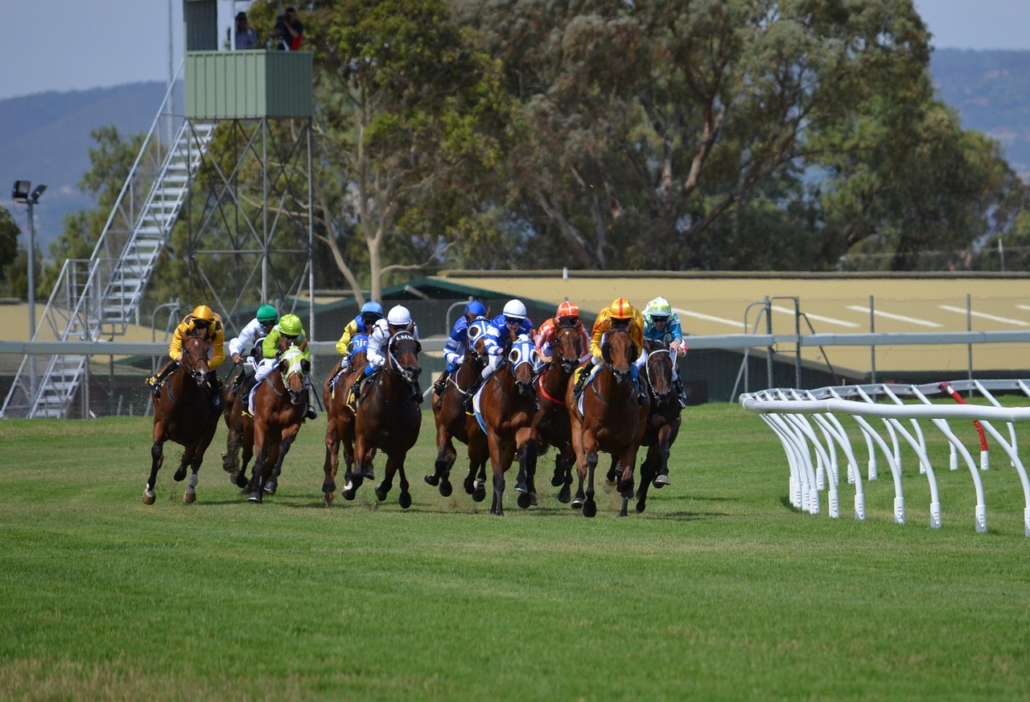
Tampa Bay Downs, a cornerstone of Florida’s horse racing industry for a century, has publicly affirmed its dedication to offering live thoroughbred racing for years to come. This commitment comes in response to HB 105, a bill currently under consideration by the Florida legislature that would remove the mandatory requirement for Florida racetracks to host live races as a condition of their gambling licenses.
Understanding HB 105 and Its Potential Impact
The proposed bill, HB 105, aims to allow Tampa Bay Downs and Gulfstream Park, the state’s only remaining live racetracks, to sever their connection with live racing. Currently, these tracks are obligated to host a specific quota of races in order to operate other forms of gambling, such as slot machines and poker. This requirement has created significant uncertainty for the future of thoroughbred racing in Florida.
The potential consequences of decoupling from live racing are dire, echoing the fate of harness racing in the state. Pompano Park, Florida’s last harness racing track, ceased live racing in 2022, shortly after enabling legislation was passed. This highlights the vulnerability of the thoroughbred industry if the live racing requirement is removed.
The Economic and Job Impact of Thoroughbred Racing
The Florida thoroughbred industry is a major economic driver for the state, generating an estimated $3.2 billion in economic impact annually. It also provides employment for over 33,000 people across various sectors, including racing, training, breeding, and related businesses. This significant contribution to the state’s economy underscores the importance of maintaining a vibrant thoroughbred racing scene.
Organizations like the Florida Thoroughbred Breeders and Owners Association (FTBOA) and the National Horsemen’s Benevolent and Protective Association (NHBPA) have strongly condemned HB 105, citing the devastating impact it would have on the industry. These groups emphasize the economic and employment consequences of removing the live racing requirement.
Tampa Bay Downs’ Response: A Commitment to the Future
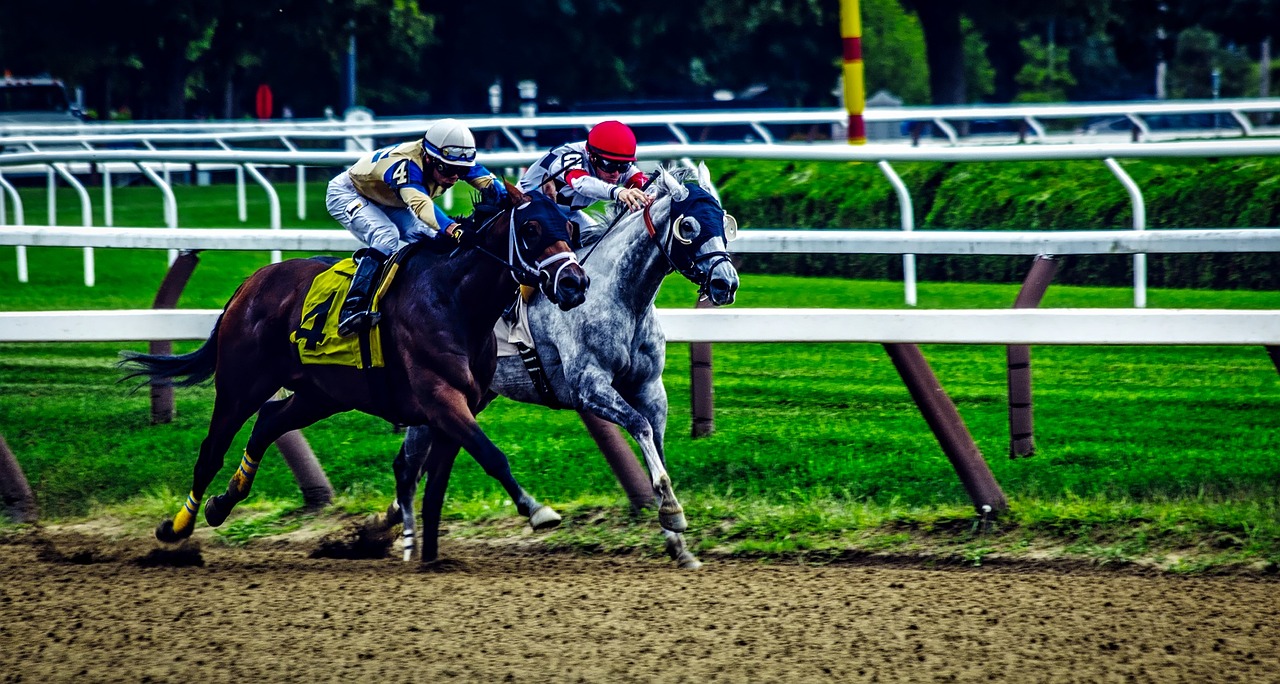
In a statement released on Friday, Tampa Bay Downs clarified that they did not initiate HB 105 and have not explicitly endorsed the bill. However, the track reaffirmed its commitment to live racing for the foreseeable future. The statement highlighted the dedication of the racetrack’s management and employees to providing safe and competitive races on both dirt and turf surfaces.
“Very meaningful support has been provided by the Florida legislature in recent years and Tampa Bay Downs will continue its efforts to achieve enhancement of purses to remain competitive on a national scale and to support live racing of thoroughbreds in Florida for many years to come,” the statement read. This commitment is crucial for ensuring the continued vitality of the sport.
Stronach Group’s Motivations and Uncertainties
The Stronach Group, which operates Gulfstream Park, has reportedly indicated a more conditional commitment to live racing. Keith Brackpool, a representative of the company, reportedly stated at a closed meeting that they could only guarantee live racing operations until the end of 2028 – contingent upon support from Gulfstream’s trainers for the decoupling bill.
The Stronach Group’s ultimate goal appears to be securing a casino license for Gulfstream Park, and removing the live racing requirement is seen as a key step towards achieving this objective. This strategic alignment highlights the potential conflict between economic development goals and the preservation of the thoroughbred racing industry.
The Future of Florida Racing: A Call to Action
The debate surrounding HB 105 represents a critical juncture for the future of thoroughbred racing in Florida. The industry is actively lobbying the legislature to maintain the current requirements for live racing, emphasizing its economic importance and the potential consequences of decoupling.
Supporting live racing isn’t just about preserving a sport; it’s about safeguarding jobs, bolstering the economy, and maintaining a vibrant cultural tradition. This situation underscores the need for continued advocacy and engagement from horsemen, breeders, owners, and fans to ensure that Florida remains a home for thoroughbred racing for generations to come.
10BET is committed to providing the best online betting experience. Explore our wide range of betting options and stay informed about the latest developments in the world of horse racing.
Conclusion
Tampa Bay Downs has made a firm commitment to continue offering live thoroughbred racing in Florida for years to come, despite the ongoing efforts to remove the requirement for live racing as a condition of gambling licenses. The future of this vital industry hinges on the outcome of HB 105, and the implications extend far beyond the racetrack, impacting thousands of jobs and generating billions of dollars in economic activity for the state. The thoroughbred community is actively working to ensure that Florida maintains its position as a center for horse racing, emphasizing the cultural and economic value of this historic sport. The debate highlights the complex interplay between economic development and the preservation of traditional industries, underscoring the need for thoughtful consideration and sustainable solutions.
Keywords: Tampa Bay Downs, Florida horse racing, live racing, HB 105, thoroughbred racing, Gulfstream Park, Stronach Group, horse racing industry, betting, 10BET
