


How The Linq Garages Flood Control System Protects Las Vegas Casinos
Las Vegas Casinos Debunked: The Truth Behind the Linq Garage Flood Myth
Explore our comprehensive guide to the most iconic Las Vegas casinos through the following Table of Contents, designed to help you navigate the worlds premier gambling destinations.
Corey Levitan
EDITOR’S NOTE: “Vegas Myths Busted” publishes new entries every Monday, with a bonus Flashback Friday edition. Today’s entry in our ongoing series originally ran on Aug. 12, 2022.
“This is urban flooding in Las Vegas!” reports a shocked visitor holding his cellphone camera at a fast-moving torrent of ankle-deep water. “It’s coming out of the parking garage at the Linq Hotel!”
Troubled visitors observe storm water flooding the Linq Hotel’s garage in Las Vegas — exactly as it was designed to. (Image: nypost.com)
When flooding inundated Las Vegas two weeks ago, 7 of 10 YouTube videos used the scene at the Linq garage to illustrate its severity, including Fox News and the New York Post clips. This highlights an interesting quirk of Las Vegas urban planning – a feature few tourists are aware of.
Hell or High Water: The History of the Linq Garage’s Flood Design
The story begins way back in 1959 with the opening of the Flamingo Capri Motel. It boasted a concrete overhang advertising a “Venetian canal,” which was essentially a drainage ditch for a flood channel that still feeds into what is now the Linq garage. A postcard from the Flamingo Capri vividly illustrates these fountains, showcasing the original flood channel.

This original flood channel, known as the Flamingo Wash, is a branch of the Las Vegas Wash – a 12-mile arroyo that collects overflow stormwater from as far as the Spring Mountains, 60 miles west. A significant flood event occurred on July 3, 1975, during a summer monsoon, overwhelming the Flamingo Wash and causing extensive damage to 300 cars in the Caesars Palace parking lot. The estimated damage at the time was a staggering $25 million.
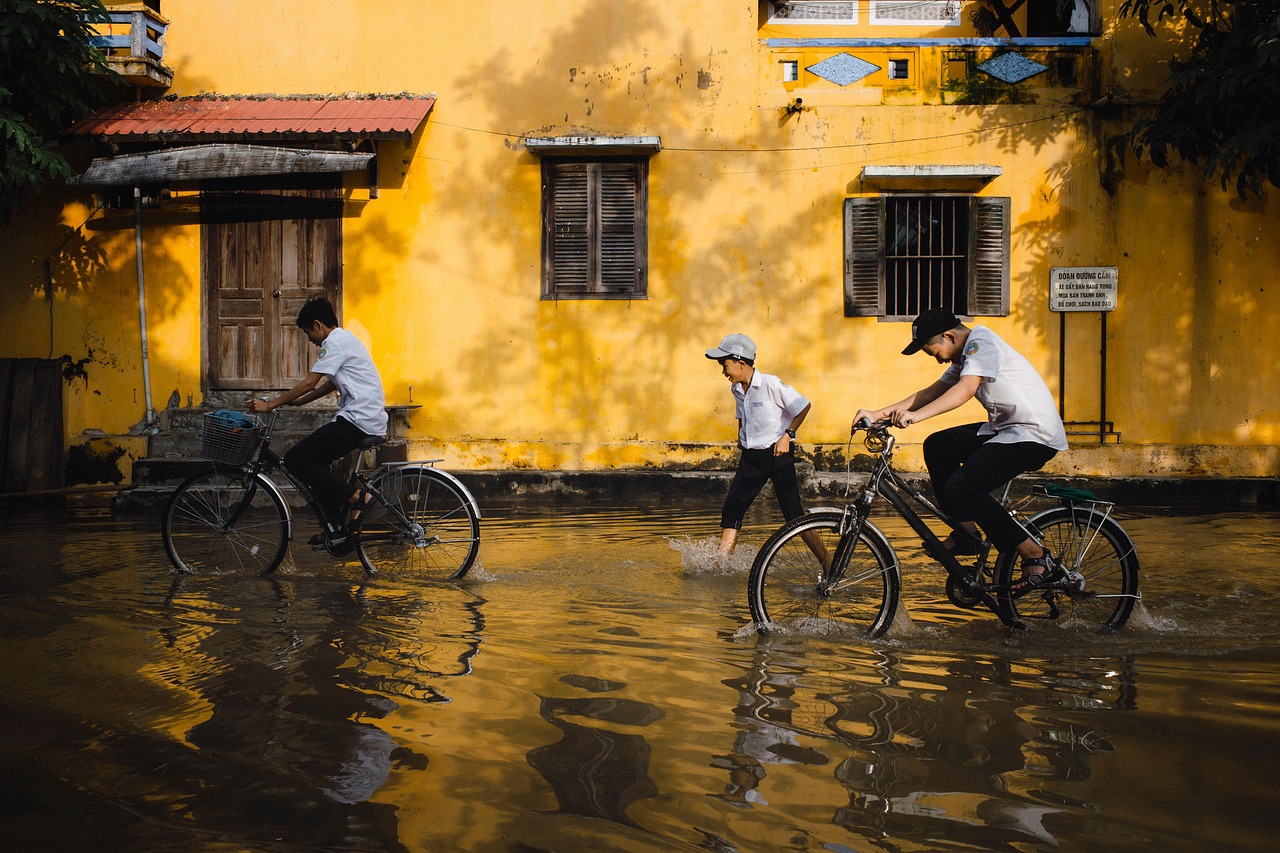
To mitigate future flooding, the Flamingo Wash was channeled into man-made tunnels beneath major roadways like Interstate 15, Caesars Palace, and Las Vegas Boulevard. However, the foundation for a 19-story tower and parking structure was already built precisely where one of these tunnels now empties. Reconstructing that underground tunnel system would have required demolishing the entire Imperial Palace, an impractical solution.
Driving Rain: The Unconventional Solution
Instead, the engineers devised a clever, albeit unconventional, solution. The first floor of the Imperial Palace garage was designed to act as a diversion channel. Stormwater from the underground tunnel now gurgles into the parking garage during floods and is directed across the first floor before being channeled back underground through a duct behind the ramp. This system operates effectively 99% of the time, which is essential in the desert climate.
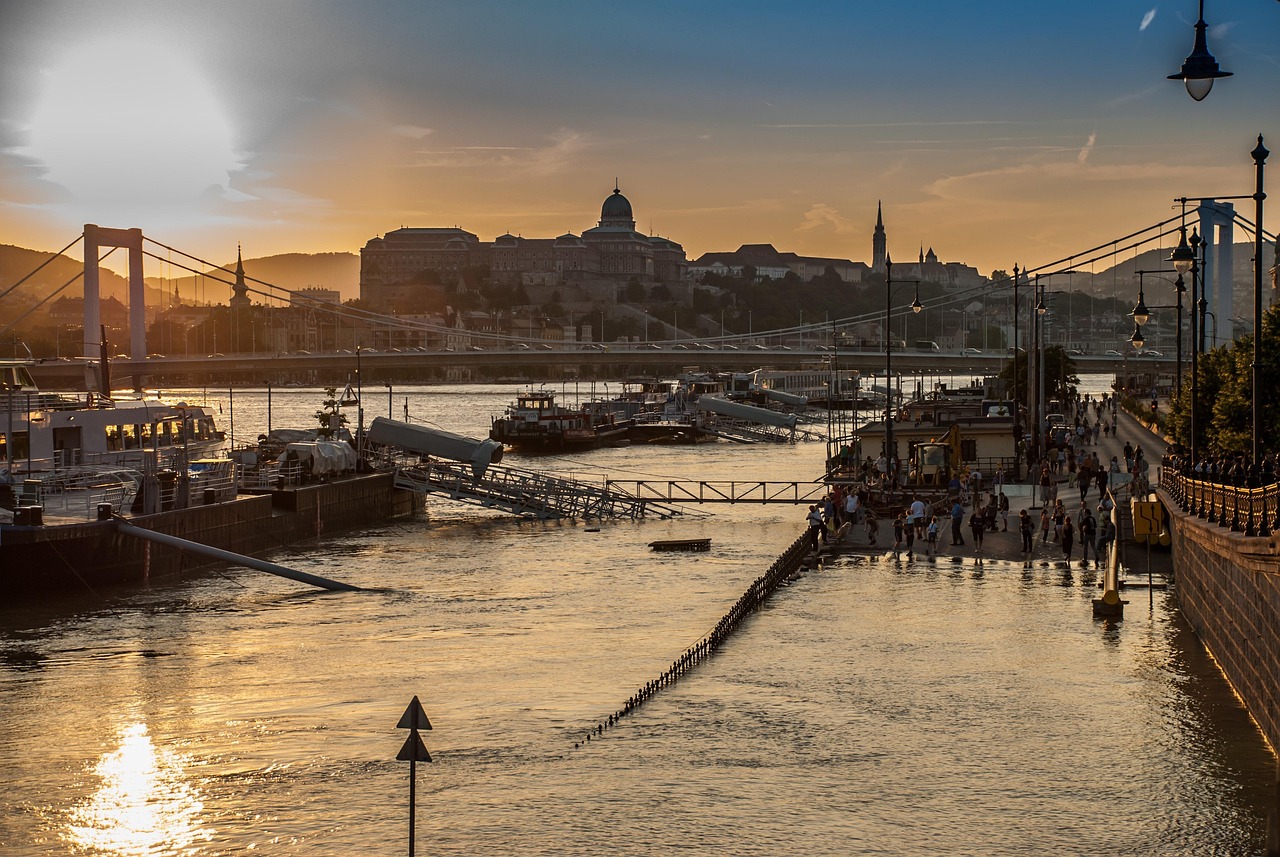
Visitors are generally unaware of this secondary function, as the parking garage remains dry for the vast majority of the year. However, the system hasn’t been without its problems. In 1983, an 8-foot wall of water surged through the garage, damaging 10 cars and flooding more than 20 ground-floor rooms and the casino floor, forcing 500 gamblers onto Las Vegas Boulevard. More recently, in 2004 and 2017, people required rescue after their cars stalled in floodwaters behind the garage. Generally, only parking operations are affected by these events.
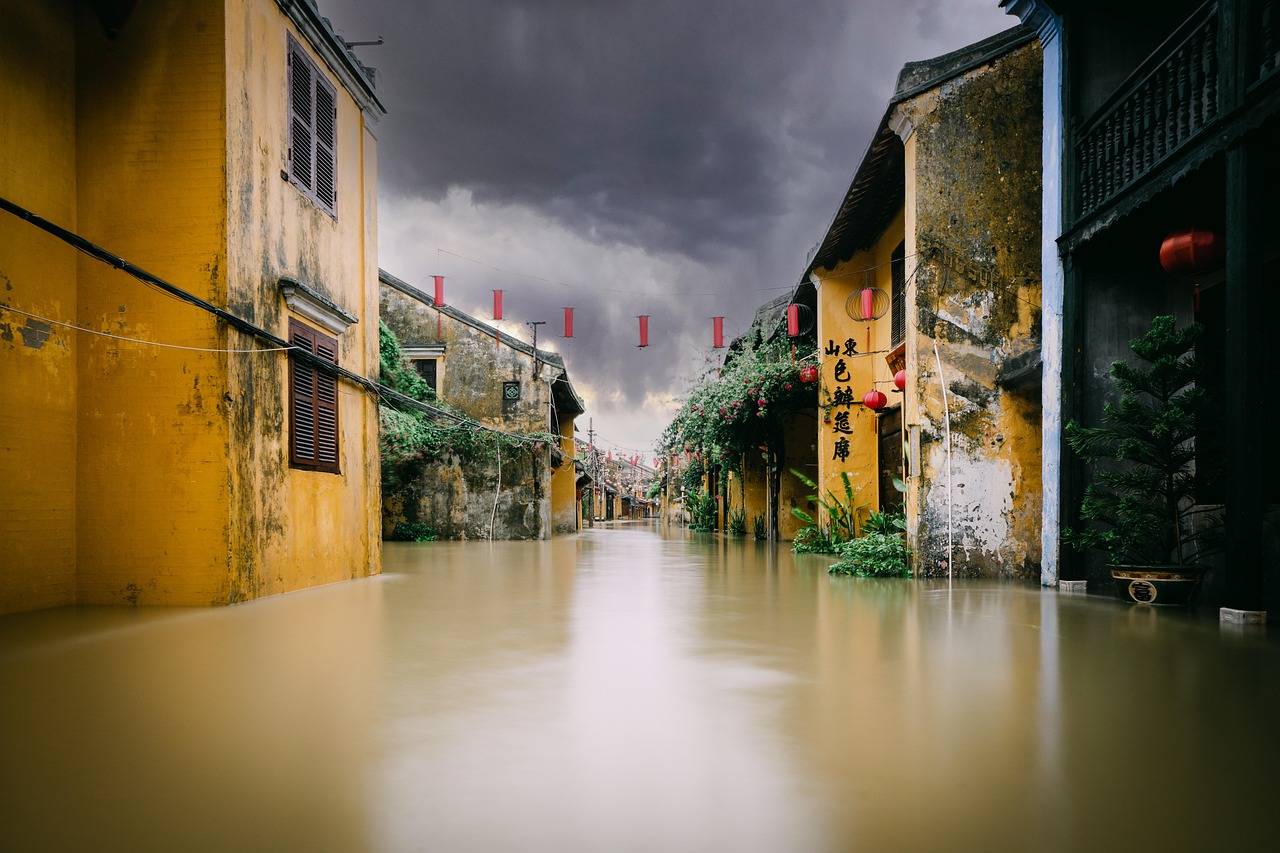
The garage is closed to the public whenever a flood is predicted, and all first-floor vehicles are removed. Once the rain subsides, the floodwaters recede, and operations resume as normal. The most significant impact usually involves temporary stranding of vehicles on the upper floors.
No Better Solution Available
According to a 2010 Las Vegas Review-Journal article, the Clark County Regional Flood Control District determined that installing a more effective system without compromising the Imperial Palace’s foundation was impossible. When Harrah’s Entertainment acquired the hotel in 2005, there was consideration of imploding the building to expand adjacent properties and eliminate the perennial flooding issue. However, the Great Recession led the company to opt for building the Linq over the existing structure instead.
Today, whenever the Clark County Regional Flood Control District predicts a major storm, the Linq is their first point of contact – not because it’s in danger itself, but because it’s designed to handle the overflow. This unique feature exemplifies how Las Vegas has creatively addressed its water management challenges, often with unexpected and sometimes dramatic results.
Conclusion
The Linq garage stands as a fascinating example of adaptive urban planning in the face of natural hazards. Built atop an old flood channel, it was ingeniously designed to redirect stormwater, preventing significant damage to surrounding properties. While not perfect, this system has protected countless vehicles and lives over the years. It showcases the innovative spirit required to manage the challenges posed by the desert environment and highlights a little-known aspect of Las Vegas’s infrastructure.
Keywords: Las Vegas flooding, Linq garage, urban flood control, Las Vegas Wash, stormwater management, flood mitigation, Las Vegas history
Image Keyword: Las Vegas flood control system
Categories: Blog

